


















ANOMALI
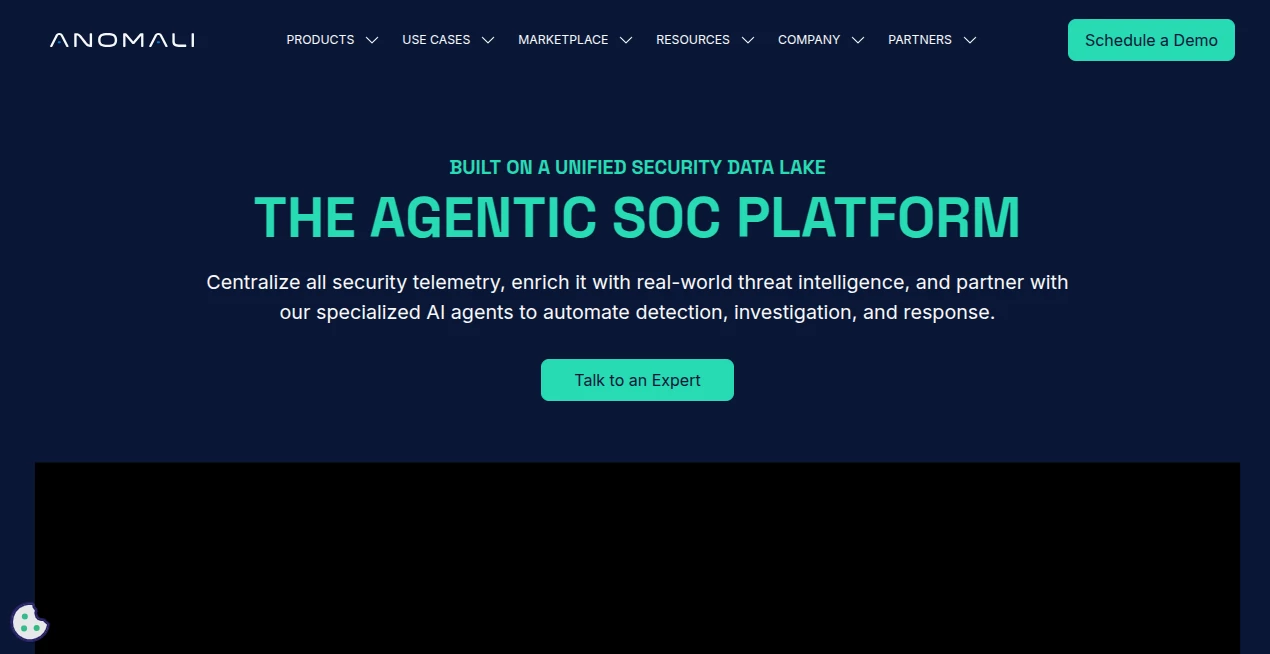
What is ANOMALI?
In today’s digital landscape, cyber threats evolve faster than most organizations can respond. Security teams are often overwhelmed by fragmented data, false alerts, and disconnected tools. This is where this platform positions itself as a unified solution designed to simplify threat intelligence and improve security operations.
It helps organizations transform raw threat data into actionable insights, enabling faster detection, better decision-making, and more coordinated response strategies. Instead of juggling multiple disconnected security feeds, teams can operate from a centralized intelligence hub that is built for clarity and speed.
What makes it particularly valuable is its ability to connect intelligence with real operational workflows, reducing noise and focusing attention on what truly matters.
Key Features
User Interface
The interface is designed with security analysts in mind. It prioritizes clarity, allowing users to quickly navigate threat feeds, dashboards, and alerts without unnecessary complexity. The layout feels structured and intentional, helping teams stay focused during high-pressure investigations.
Accuracy & Performance
One of the strongest aspects is how it filters and enriches threat data. Instead of overwhelming users with raw inputs, it organizes intelligence into meaningful context. This reduces alert fatigue and improves response accuracy, especially in large-scale enterprise environments.
Capabilities
- Centralized threat intelligence aggregation
- Advanced threat correlation and analysis
- Integration with security ecosystems and tools
- Automated alert enrichment and prioritization
- Support for proactive threat hunting workflows
Security & Privacy
Security is at the core of the platform’s design. It is built to handle sensitive intelligence data securely while maintaining strict access controls. Organizations benefit from structured data governance and controlled information sharing across teams.
Use Cases
- Enterprise security operations centers (SOC) improving threat detection workflows
- Cyber threat intelligence teams tracking global adversary activity
- Incident response teams reducing response time with enriched alerts
- Organizations consolidating multiple security data sources into one system
Pros and Cons
Pros:
- Strong focus on threat intelligence unification
- Reduces alert noise significantly
- Designed for enterprise-scale security operations
- Enhances collaboration between security teams
Cons:
- May require onboarding time for new users
- Best value is seen in larger organizations
- Advanced features may feel complex for beginners
Pricing Plans
Pricing is typically structured for enterprise environments, with plans tailored to organizational size and security needs. Custom configurations are often required, especially for companies integrating multiple security systems and data sources.
How to Use This Tool
Getting started begins with integrating the platform into your existing security stack. Once connected, teams can configure data feeds, define threat sources, and customize dashboards according to operational priorities.
Analysts can then begin exploring enriched threat data, setting alerts, and building workflows that align with their incident response strategies. Over time, the system becomes a central intelligence layer for all cybersecurity operations.
Comparison with Similar Tools
Compared to traditional security monitoring tools, this platform focuses more on intelligence unification rather than just alerting. While many solutions emphasize detection, it goes a step further by providing context and correlation across multiple threat sources.
This makes it particularly effective for organizations that struggle with fragmented security ecosystems and need a more cohesive intelligence-driven approach.
Conclusion
This platform stands out as a powerful solution for organizations serious about improving their cybersecurity posture. By combining threat intelligence, automation, and integration capabilities, it helps security teams move from reactive defense to proactive protection.
For enterprises dealing with growing cyber complexity, it offers a structured way to bring order to chaos and make security operations more efficient and intelligent.
Frequently Asked Questions (FAQ)
What is this platform used for?
It is used for aggregating, analyzing, and operationalizing threat intelligence to improve cybersecurity defense.
Is it suitable for small businesses?
While possible, it is primarily designed for mid-sized to large enterprises with dedicated security teams.
Does it integrate with other security tools?
Yes, it is built to integrate with a wide range of security systems and workflows.
Can it reduce false alerts?
Yes, one of its key strengths is enriching and filtering alerts to reduce noise and improve accuracy.
AI Developer Tools , AI Research Tool , AI Consulting Assistant , AI Analytics Assistant .
These classifications represent its core capabilities and areas of application. For related tools, explore the linked categories above.

ANOMALI Alternatives Product

Sound Level …

Medialyst

TruthSpine

Marketbetter…

Manus

DeepSeek

Vibe Coding …

Standard Com…

Metal