
Camclo3D
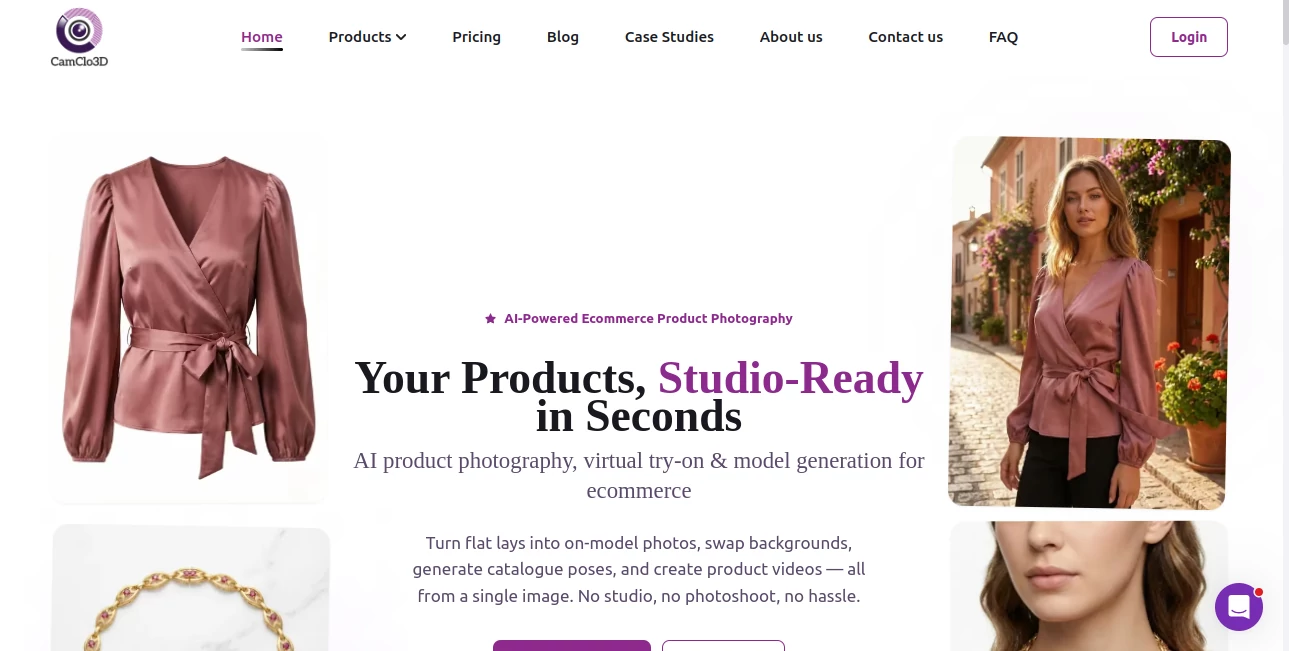
What is Camclo3D?
In today’s fast-moving digital design world, creators need tools that simplify complex workflows without sacrificing quality. This platform steps into that space with a focus on making 3D creation more accessible, intuitive, and production-ready. Whether you are working on fashion design, product visualization, or creative 3D modeling, it provides a streamlined environment where ideas can quickly turn into realistic digital outputs.
Instead of overwhelming users with steep learning curves, it emphasizes clarity, speed, and flexibility. Designers can focus more on creativity and less on technical friction, which makes it especially valuable for both beginners and experienced professionals.
Key Features
User Interface
The interface is clean and purpose-driven. Every tool is placed where you expect it to be, reducing the time spent searching for functions. The workspace feels modern and responsive, allowing users to build and adjust models without unnecessary complexity.
Accuracy & Performance
One of the strongest aspects of this platform is its ability to maintain visual accuracy while handling detailed 3D structures. Rendering remains smooth even when working with complex designs, making it suitable for professional-level projects where precision matters.
Capabilities
It supports a wide range of 3D creation tasks, from modeling and visualization to refining textures and shaping digital assets. The flexibility allows users to experiment with different design directions without switching between multiple tools.
Security & Privacy
User data and project files are handled with care, ensuring that creative work remains protected. The environment is designed to give users confidence when uploading and storing their design assets.
Use Cases
- Fashion design and digital garment prototyping
- 3D product visualization for e-commerce
- Architectural and interior concept modeling
- Game asset creation and prototyping
- Educational 3D modeling projects
Pros and Cons
Pros
- Easy-to-use interface for beginners and professionals
- High-quality rendering output
- Flexible workflow for different industries
- Efficient performance even with complex models
Cons
- Advanced features may require learning time for new users
- Performance may depend on system specifications
Pricing Plans
The platform typically offers flexible pricing structures designed to accommodate different types of users. This may include entry-level access for individuals, professional tiers for designers, and scalable options for teams or studios. Each plan is designed to balance affordability with access to advanced creative capabilities.
How to Use Camclo3D
Getting started is straightforward. After creating an account, users can enter the workspace and begin a new project. From there, they can select templates or start from scratch, add models, adjust dimensions, and refine textures. The workflow is designed to be intuitive, allowing users to see changes in real time as they build their designs.
Comparison with Similar Tools
Compared to traditional 3D modeling software like Blender or Marvelous Designer, this platform focuses more on accessibility and speed. While Blender offers deep customization and technical control, it can be overwhelming for new users. Marvelous Designer excels in garment simulation but may require a more specialized skill set. This platform finds a balance between usability and functionality, making it a strong choice for users who want fast results without heavy complexity.
Conclusion
For creators looking to explore 3D design without being slowed down by overly technical systems, this platform offers a refreshing alternative. It combines usability, performance, and creative flexibility in a way that supports both learning and professional output. Whether you're designing digital fashion, products, or experimental 3D concepts, it provides a reliable environment to bring ideas to life.
Frequently Asked Questions (FAQ)
Is this platform suitable for beginners?
Yes, it is designed with a user-friendly interface that makes it accessible even for those new to 3D design.
Can it be used for professional projects?
Absolutely. Many features are built to support high-quality production work and detailed design requirements.
Does it support real-time editing?
Yes, users can see updates and changes instantly while working on their projects.
What industries can benefit from it?
Fashion, gaming, architecture, product design, and education are among the most common use cases.
AI 3D Model Generator , AI Text to 3D , AI Image to 3D Model , AI Design Generator .
These classifications represent its core capabilities and areas of application. For related tools, explore the linked categories above.

Camclo3D Alternatives Product

Sento AI

Touchpoint

SAM 3D

Nanosora

nana banana …

ModelsLab

Image To Ima…

NanoBanana2F…

Lensgo