comma ai
What is comma ai?
I still remember the first long highway drive where the car basically drove itself while I relaxed with music playing. No white-knuckle gripping the wheel, no constant lane corrections — just calm, confident assistance that felt like a thoughtful co-pilot. That experience came from this platform, and it completely changed how I think about driving. It turns your existing car into something smarter, safer, and genuinely more enjoyable without forcing you to buy a whole new vehicle.
Introduction
Modern cars already have some driver assistance, but it often feels limited or overly cautious. This company took a different approach: open-source software paired with clever hardware that works on hundreds of existing models. Their system, called openpilot, delivers advanced features like smooth lane centering, adaptive cruise control, and even automatic lane changes on supported vehicles. It’s not full self-driving in the sci-fi sense — you still need to stay attentive — but it makes everyday driving noticeably less tiring and more relaxing. With over 300 million miles driven by the community, it’s one of the most proven and trusted solutions out there for turning your daily commute into something closer to chill time.
Key Features
User Interface
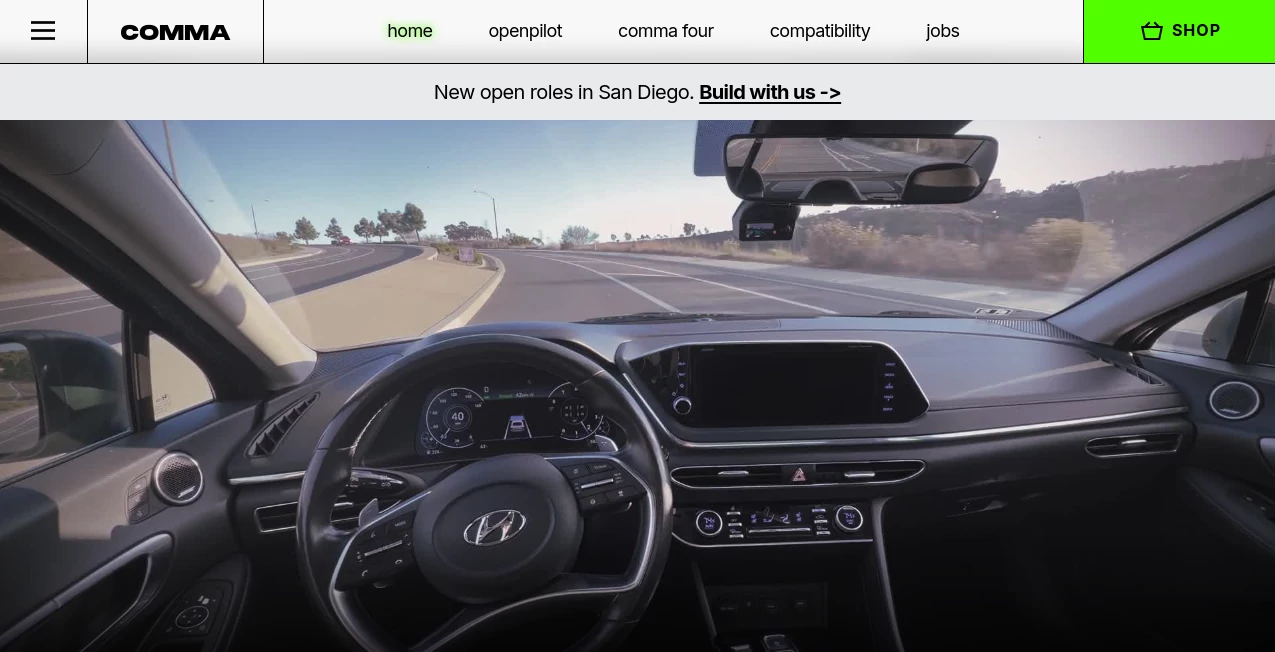
The experience is beautifully minimal. Once installed, the device shows a clean, intuitive display on your car’s screen or through the app. You see clear visuals for lane lines, lead car distance, and current speed settings. Engaging the system is as simple as pressing a button on the steering wheel — just like factory systems, but often smoother and more capable. The mobile app lets you review drives, check for updates, and adjust settings without any complexity. It feels like an extension of your car rather than something bolted on.
Accuracy & Performance
The system excels at reading the road and making natural decisions. Lane changes happen smoothly when safe, following distance feels human-like, and it handles everything from highway cruising to stop-and-go traffic with confidence. Performance keeps improving through regular over-the-air updates, and the community-driven development means it gets better at handling edge cases that factory systems sometimes struggle with. Real users consistently report fewer interventions needed compared to stock assistance features.
Capabilities
It supports over 325 car models across major brands, delivering features like lane centering, adaptive cruise, automatic lane changes, and 360° vision. The hardware (comma four) is compact and easy to install with plug-and-play harnesses. Open-source nature means constant community improvements, and the system records drives for later review or sharing. It’s particularly strong on highways and well-marked roads, turning long trips into something far less exhausting.
Security & Privacy
Your data stays yours. Drives are recorded locally, and you control what gets shared with the community. The hardware is designed with safety in mind, always requiring driver supervision. Regular security updates keep everything protected, and the transparent, open-source approach builds real trust among users who care about both safety and data ownership.
Use Cases
A daily commuter uses it on long highway drives to arrive less tired and more focused. A family on road trips engages it for relaxed cruising while kids watch movies in the back. A delivery driver reduces fatigue on repetitive routes, improving safety and efficiency. Enthusiasts tinker with the open-source code to add custom features. It shines anywhere driving feels repetitive or draining, turning those miles into calmer, more enjoyable time.
Pros and Cons
Pros:
- Works with the car you already own — no need to buy a new vehicle.
- Noticeably smoother and more capable than many factory systems.
- Regular free updates that keep improving performance.
- Strong community and transparent open-source development.
- Easy installation and genuinely makes driving less stressful.
Cons:
- Requires driver attention at all times — it’s assistance, not full autonomy.
- Best performance on well-marked highways and roads.
- Some car models need specific harnesses for full functionality.
Pricing Plans
The hardware (comma four) is a one-time purchase with included harness for your vehicle. There are no monthly subscriptions for core features — you own the device and get ongoing updates. The pricing is straightforward and competitive when you consider the capabilities and compatibility with hundreds of models. Many owners say it pays for itself through reduced stress and safer, more relaxed driving.
How to Use comma.ai
Check if your car is supported on their site, order the device with the right harness, and install it following the simple guides (usually 15-30 minutes). Pair it with the app, download the latest software, and you’re ready to drive. On the road, use your car’s existing controls to engage the system. Review recorded drives in the app, and let automatic updates keep everything current. The whole setup is designed to feel natural and require minimal ongoing maintenance.
Comparison with Similar Tools
Factory advanced driver assistance systems are convenient but often limited and expensive to upgrade. Other aftermarket solutions can feel clunky or require major modifications. This platform stands out with its broad compatibility, smooth performance, open-source transparency, and community support. It delivers more capability for less money while keeping the driver firmly in control.
Conclusion
Driving doesn’t have to be exhausting. This platform makes it calmer, safer, and more enjoyable by giving your current car modern assistance capabilities that just work. With proven real-world miles, constant improvements, and an owner-focused philosophy, it represents the kind of practical innovation drivers have been waiting for. If you spend a lot of time behind the wheel, experiencing this level of assistance can genuinely make you look forward to your next drive.
Frequently Asked Questions (FAQ)
Is it fully self-driving?
No — it’s advanced driver assistance. You must remain attentive and ready to take control at all times.
Will it work on my car?
It supports over 325 models from major brands. Check their compatibility list for your specific year and trim.
How hard is installation?
Most people complete it in 15-30 minutes using the included harness — no permanent modifications needed.
Are there ongoing costs?
No monthly fees for core functionality. Updates are free and automatic.
Can I try it before buying?
They offer a 30-day money-back guarantee so you can test it risk-free.
Other .
These classifications represent its core capabilities and areas of application. For related tools, explore the linked categories above.

comma ai Alternatives Product

AiToolsObser…

AI Fruit

Middle Name …

Ask Bishop

Mp3tag

mainaro

morse code t…

GoDices

cznull