

















Shield AI
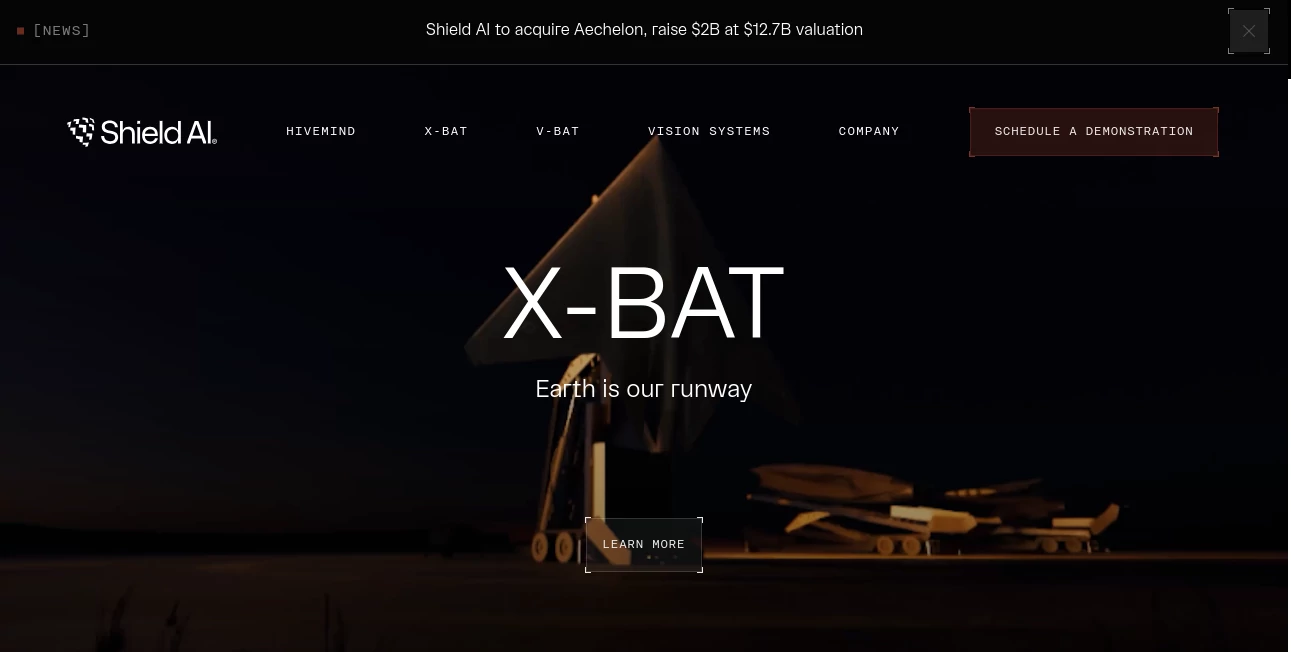
What is Shield AI?
I’ve spoken with veterans who described missions where having an intelligent system in the air could have changed everything. Shield AI was founded by people who lived that reality, and it shows in every product they build. This isn’t another flashy drone company chasing headlines — it’s a serious defense technology effort creating AI that can pilot aircraft in the most dangerous environments so humans don’t have to. The results are impressive: autonomous systems that make split-second decisions, maintain situational awareness, and complete missions that would put service members at extreme risk.
Introduction
Shield AI was born from real operational experience. Co-founder Brandon Tseng, a former Navy SEAL, saw firsthand how autonomy could save lives. Together with his brother Ryan and Andrew Reiter, he set out to build AI pilots and next-generation aircraft that protect both service members and civilians. Today, their technology powers systems used by U.S. Special Operations, the Air Force, Marines, Navy, and international partners. Their flagship Hivemind autonomy software and aircraft like V-BAT demonstrate what’s possible when serious engineering meets a clear mission: shift dangerous tasks from humans to intelligent machines.
Key Features
User Interface
The operator experience is designed for high-pressure environments. Interfaces are clear, information is presented at the right time, and controls feel intuitive even when things get chaotic. Operators can focus on the mission instead of fighting the technology. The systems are built to work at the edge — in contested environments where communication is limited and decisions must be made quickly.
Accuracy & Performance
The AI pilots demonstrate remarkable reliability in real-world conditions. They maintain situational awareness, make smart tactical decisions, and execute complex maneuvers with precision. Performance in electronic warfare environments stands out — the systems continue operating effectively even when GPS and communications are jammed. This level of robustness comes from extensive testing and a deep understanding of actual operational needs.
Capabilities
From small tactical drones to larger autonomous aircraft, the platform delivers ISR (intelligence, surveillance, reconnaissance), targeting, and strike capabilities. Hivemind autonomy allows aircraft to operate independently or in teams, adapting to changing conditions. The technology supports a wide range of missions while keeping human operators in the loop where it matters most. It’s not just automation — it’s intelligent autonomy built for combat realities.
Security & Privacy
In defense applications, security isn’t optional. Shield AI builds with strict standards for data protection, secure communications, and system integrity. Their solutions are designed to operate in highly sensitive environments while protecting operational security. This level of attention to detail gives commanders confidence when deploying the systems in real missions.
Use Cases
Special Operations teams use the systems for reconnaissance in denied areas, gathering critical intelligence without putting personnel at risk. The Air Force and Marines leverage the autonomy for persistent surveillance and rapid response. International partners adopt the technology to strengthen their own defense capabilities. The common thread is shifting dangerous, repetitive, or high-risk tasks to machines so humans can focus on higher-level decision making.
Pros and Cons
Pros:
- Battle-tested autonomy that performs in contested environments.
- Strong focus on protecting human lives through intelligent systems.
- Real operational impact with partners including U.S. Special Operations.
- Clear mission-driven development rather than technology for its own sake.
- Scalable solutions from small tactical systems to larger aircraft.
Cons:
- Primarily focused on defense applications, which limits civilian use cases.
- Advanced systems require proper training and integration into existing operations.
Pricing Plans
As a defense technology company, Shield AI works through established procurement channels rather than public pricing tiers. Solutions are tailored to specific mission requirements, with scalable options for different operational needs. Organizations interested in their systems typically engage directly for demonstrations and customized deployments.
How to Use Shield AI
For defense organizations, the process usually begins with a conversation about specific operational challenges. Teams demonstrate the technology in relevant scenarios, followed by integration planning and operator training. Once deployed, the systems are designed to be intuitive for trained personnel while delivering advanced autonomous capabilities in the background. The focus remains on mission success with reduced risk to personnel.
Comparison with Similar Tools
While many companies work on drones and autonomy, Shield AI stands out through its deep integration of AI pilots with next-generation aircraft and a mission-first approach rooted in real operational experience. Their emphasis on performance in contested environments and proven partnerships with elite forces gives them a distinct edge in serious defense applications.
Conclusion
Shield AI represents what happens when talented engineers and operators come together with a clear, meaningful purpose. Their technology isn’t about replacing humans — it’s about protecting them while expanding what’s possible in difficult environments. For those tasked with defending freedom and saving lives, having reliable intelligent systems in the air can make all the difference. This company is quietly building tools that matter, and the results speak for themselves.
Frequently Asked Questions (FAQ)
What is Hivemind?
Hivemind is Shield AI’s advanced autonomy software that powers intelligent decision-making in their aircraft.
Who uses Shield AI technology?
U.S. Special Operations, Air Force, Marines, Navy, and several international partners.
Is the technology only for military use?
Primarily focused on defense applications to protect service members and civilians.
Other .
These classifications represent its core capabilities and areas of application. For related tools, explore the linked categories above.

Shield AI Alternatives Product

Metal

AI For Devel…
Meet in the …

Astrologer B…

cznull

gpt-plus.ai

TonesMatch

Bulletin

Hall Of Tarot