TrackSensei
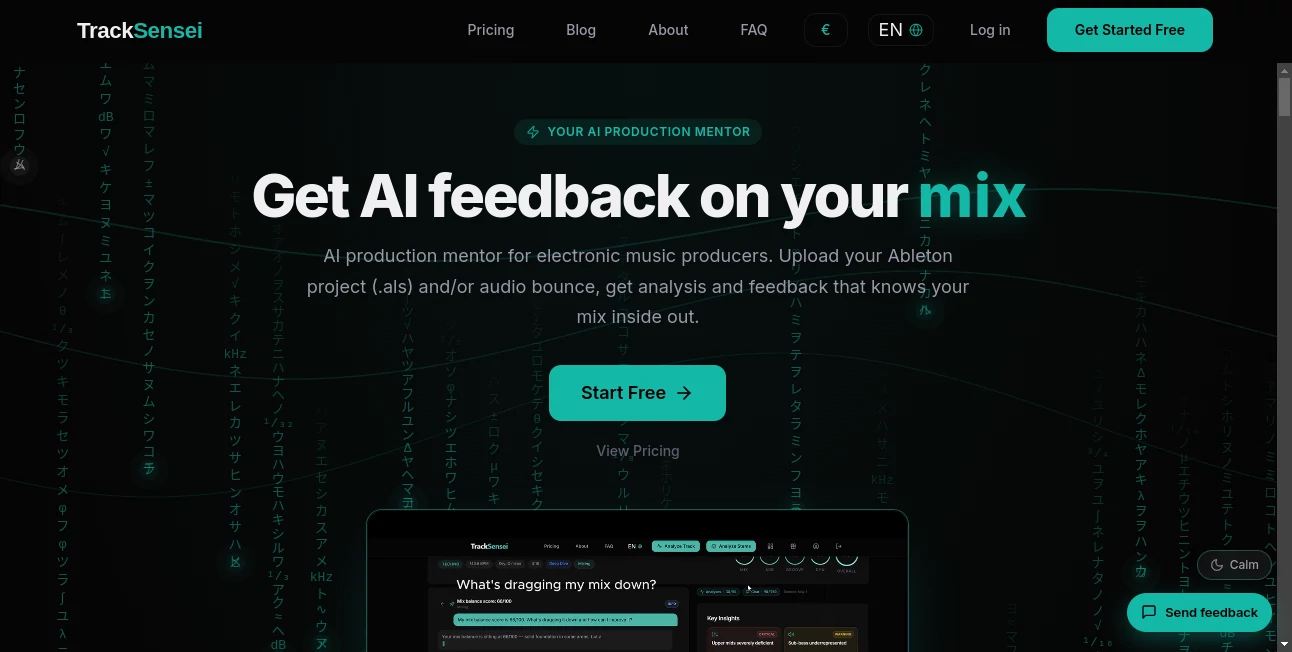
What is TrackSensei?
In today’s fast-moving digital landscape, understanding what works and what doesn’t is no longer optional—it’s essential. Businesses, creators, and marketers often struggle with scattered data, unclear performance signals, and time-consuming reporting workflows.
This is where this intelligent tracking platform steps in. It brings structure to chaos by transforming raw activity data into meaningful, easy-to-read insights. Instead of juggling multiple dashboards and spreadsheets, users get a single place where performance becomes understandable and actionable.
What makes it especially appealing is its balance between simplicity and depth. Beginners can quickly grasp what’s happening, while advanced users can still dive into detailed metrics without feeling restricted.
Key Features
User Interface
The interface is designed with clarity in mind. Everything is organized so users don’t waste time searching for information. Dashboards feel lightweight, yet informative, making daily monitoring almost effortless.
Accuracy & Performance
Data consistency is one of the strongest aspects here. Metrics are updated in a reliable flow, ensuring decisions are based on current and accurate information rather than outdated snapshots.
Capabilities
This platform is built to handle a wide range of tracking needs—from performance monitoring to behavioral analysis. It adapts well to different workflows, whether you're focused on marketing campaigns or operational metrics.
- Real-time performance monitoring
- Multi-source data consolidation
- Custom reporting options
- Insight-driven analytics breakdowns
Security & Privacy
Security is treated as a core priority. Data handling follows modern standards, ensuring that sensitive information remains protected while still being accessible to authorized users when needed.
Use Cases
This tool fits naturally into a variety of professional environments. Marketing teams use it to evaluate campaign performance and optimize strategies. Business analysts rely on it for spotting trends and improving decision-making processes. Product teams benefit from its ability to reveal user behavior patterns that might otherwise go unnoticed.
Even freelancers and small teams find value in it, especially when managing multiple projects and needing a clear overview without complex setups.
Pros and Cons
Pros:
- Clean and easy-to-understand interface
- Reliable and structured data tracking
- Flexible for different industries and workflows
- Strong focus on actionable insights
Cons:
- Advanced users may want deeper customization options
- New users might need short time to explore all features
Pricing Plans
The pricing structure is designed to accommodate different types of users. While basic functionality is typically accessible for individuals or small teams, more advanced features are usually reserved for professional or enterprise-level plans.
This tiered approach ensures that users only pay for what they actually need, making it scalable for both startups and growing organizations.
How to Use This Tool
Getting started is straightforward. After signing up, users are guided through a simple onboarding process that helps them connect their data sources and configure their dashboard.
Once set up, the platform begins collecting and organizing data automatically. Users can then explore insights through visual dashboards, generate reports, and track performance trends over time.
The learning curve is minimal, and most users become comfortable with the system within a short period of use.
Comparison with Similar Tools
Compared to traditional analytics platforms, this solution focuses more on clarity and usability rather than overwhelming users with excessive complexity. While some competitors offer highly technical environments, this tool strikes a balance that makes it accessible to both technical and non-technical users.
It also emphasizes streamlined workflows, reducing the need for constant manual reporting or external integrations.
Conclusion
For anyone looking to simplify performance tracking while still gaining meaningful insights, this platform offers a strong and practical solution. It removes unnecessary complexity and replaces it with structured, easy-to-read analytics that support better decision-making.
Whether you're managing campaigns, analyzing user behavior, or simply trying to understand growth patterns, it provides a reliable foundation for smarter work.
Frequently Asked Questions (FAQ)
Is this platform suitable for beginners?
Yes, it is designed to be user-friendly, making it accessible even for those without prior analytics experience.
Can it handle multiple data sources?
Yes, it is built to consolidate data from different sources into a single dashboard for easier analysis.
Is it useful for small businesses?
Absolutely. Small teams and startups can benefit greatly from its simplified tracking and reporting system.
Does it require technical knowledge?
No advanced technical skills are required. The interface is designed to be intuitive and easy to navigate.
These classifications represent its core capabilities and areas of application. For related tools, explore the linked categories above.

TrackSensei Alternatives Product

LazyLister

Creget

Nodu AI

Andreas Chri…

KarmaGuy

PowerballTax

Fina Money

Rierino

Astic AI