














Image to Threejs
What is Image to Threejs?
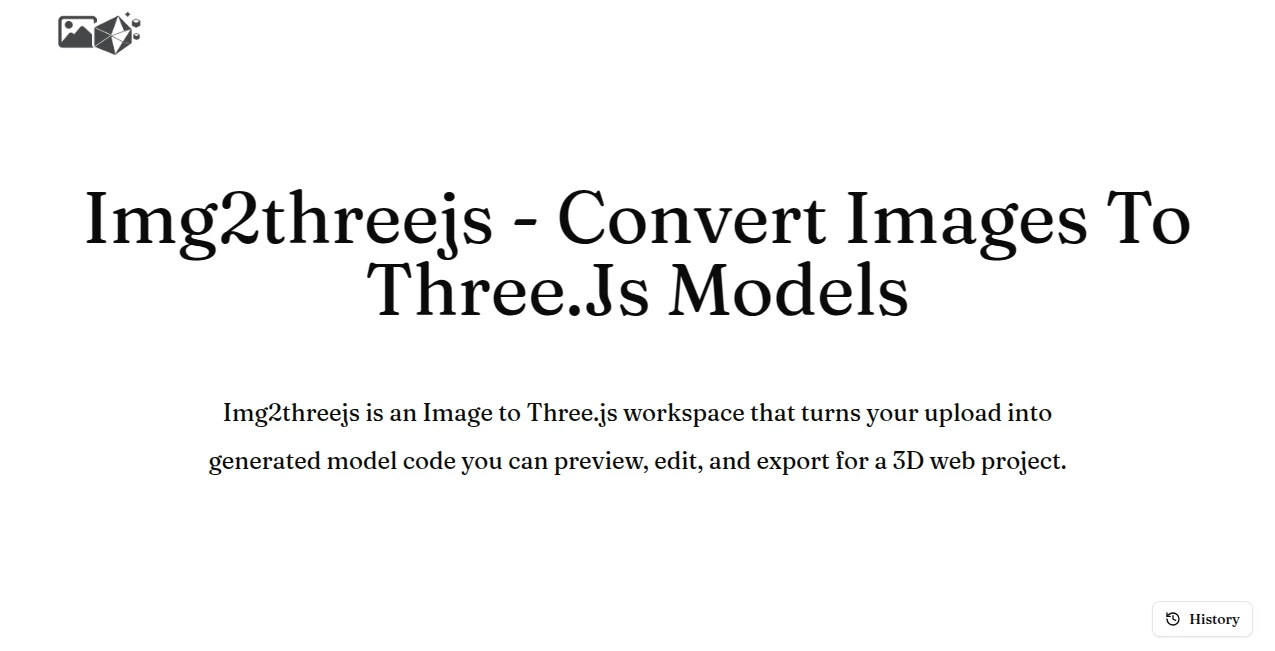
There’s something magical about taking a flat photo and suddenly being able to walk around it, zoom in on details, or even place it in a virtual scene. This tool makes that leap feel almost effortless. You upload an image — a product shot, a piece of art, or even a quick phone photo — and it transforms it into clean, ready-to-use Three.js code that brings the image into three dimensions. I’ve watched designers and developers go from “this would look cool in 3D” to having a working prototype in minutes. The results are often good enough to use directly or tweak further, which is exactly what busy creators need.
Introduction
Three.js is incredibly powerful, but getting started with it can feel intimidating if you’re not already deep into 3D development. This platform bridges that gap beautifully. It takes the heavy lifting of modeling and texturing out of the equation by intelligently converting regular 2D images into interactive 3D scenes. No complex 3D software, no manual modeling sessions — just upload and get usable code. It’s become a favorite for web designers, product marketers, educators, and indie developers who want impressive 3D effects without the usual time sink. The best part is how it respects your creative control while removing the technical barriers.
Key Features
User Interface
The experience is delightfully straightforward. A clean upload area sits front and center, with simple options for adjusting depth, lighting, and interaction style. After uploading, you get an instant live preview where you can rotate, zoom, and test the 3D version right in the browser. The generated code is clearly displayed and easy to copy. It never feels overwhelming — just a focused, fast workflow that gets you from image to interactive 3D in moments.
Accuracy & Performance
The conversion quality is impressive for a tool this accessible. It handles depth estimation intelligently, preserving important details while creating believable 3D forms. Performance stays smooth even on moderate hardware, and the exported code is clean and optimized. In practice, it turns product photos into rotatable 3D views that feel premium, and artistic images into engaging interactive pieces that hold attention.
Capabilities
You can generate 3D scenes from single images, adjust extrusion depth, lighting, camera angles, and interaction types. The output works beautifully with Three.js, making it easy to integrate into existing projects or build new experiences around. It supports various styles — from subtle depth effects to more dramatic 3D interpretations — giving you creative flexibility without forcing you to start from scratch. Exports are ready for web use, with options to further customize in your own code.
Security & Privacy
Your uploaded images are processed securely and not stored long-term unless you choose to save projects. The platform focuses on delivering the conversion without unnecessary data collection, giving creators peace of mind when working with client assets or personal photos.
Use Cases
An e-commerce store owner turns flat product photos into interactive 3D views that reduce returns and boost conversions. A digital artist uploads illustrations and creates immersive web experiences for their portfolio. A teacher transforms textbook diagrams into rotatable 3D models that help students understand complex concepts. A game developer quickly prototypes environment assets from reference images. The common thread is speed — turning static visuals into engaging 3D interactions without weeks of work.
Pros and Cons
Pros:
- Extremely fast way to add impressive 3D elements to any web project.
- Generated code is clean and easy to customize further.
- Great results even with everyday photos and product shots.
- Simple enough for designers, powerful enough for developers.
- Live preview helps you iterate quickly before exporting.
Cons:
- Complex or highly detailed scenes may need manual refinement after conversion.
- Best results come from images with good lighting and clear subjects.
Pricing Plans
The free tier lets you experiment and create solid 3D experiences without any cost, making it easy to test the quality on your own images. Paid plans unlock higher resolutions, more advanced features, commercial usage rights, and priority processing. Pricing feels reasonable for the time and creative possibilities it unlocks — many users find the free tier already covers most personal and small project needs.
How to Use Image to Three.js
Go to the upload area and drop in your image or select one from your device. Adjust a few simple settings like depth intensity or lighting style if you want more control. Watch the live 3D preview as it renders, rotating and zooming to check different angles. When you’re happy with the result, copy the generated Three.js code or download the assets. Drop the code into your project and customize as needed. The entire process usually takes under a minute from upload to usable 3D scene.
Comparison with Similar Tools
Many 3D conversion tools either produce low-quality results or require complex software knowledge. This one stands out by delivering clean, web-ready Three.js code with a simple workflow that actual developers and designers appreciate. It balances quality and ease better than most alternatives, especially for quick web-based 3D experiences. While some tools focus purely on modeling, this one prioritizes fast, practical integration into modern web projects.
Conclusion
Adding 3D to the web used to be a major undertaking. This tool makes it feel approachable and fun again. It gives creators a fast, high-quality way to bring images into the third dimension without getting lost in technical details. Whether you’re enhancing product pages, building immersive portfolios, or just experimenting with new ideas, it opens up creative possibilities that used to require much more time and expertise. Sometimes the best tools are the ones that simply make impressive things possible with minimal friction.
Frequently Asked Questions (FAQ)
How good is the 3D conversion quality?
It produces surprisingly good results for most everyday images, especially with clear subjects and decent lighting.
Do I need Three.js knowledge to use it?
Basic understanding helps for customization, but you can copy and use the generated code even as a beginner.
Can I use the output commercially?
Yes — paid plans include full commercial rights for your projects.
What kinds of images work best?
Clear photos with good contrast and defined subjects give the strongest results, but it handles a wide variety.
Is the generated code easy to modify?
Yes — it’s clean, well-structured Three.js code that you can extend and customize freely.