


















IntentHunter
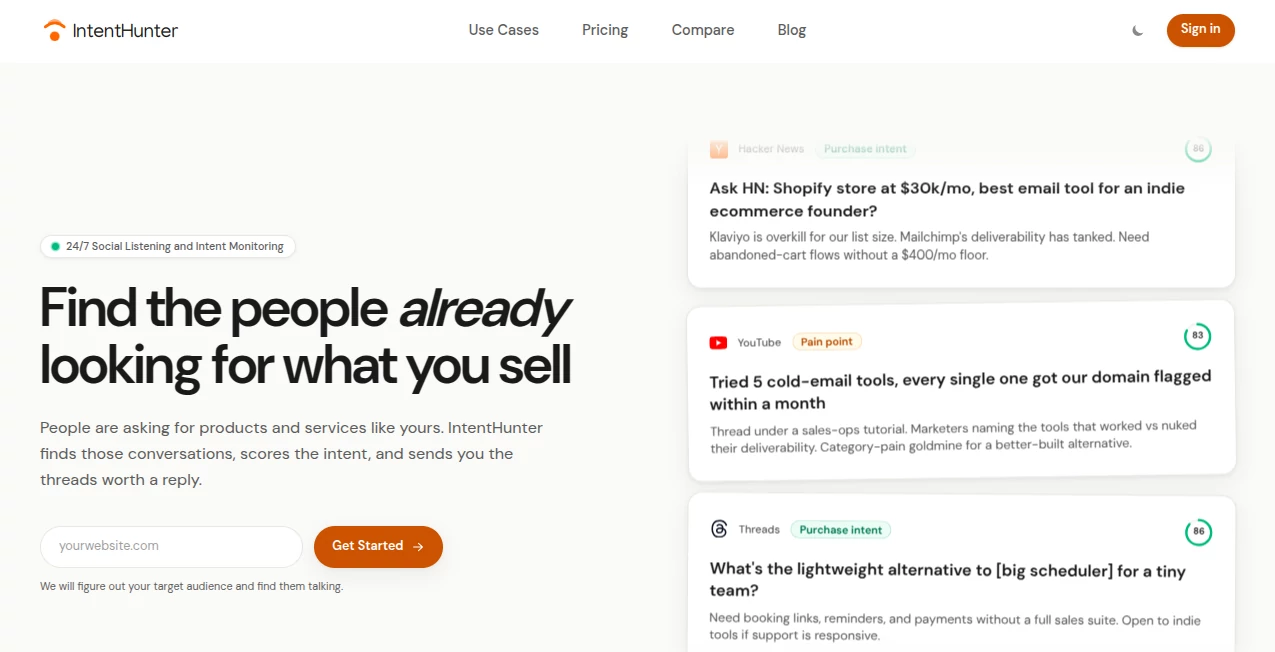
What is IntentHunter?
In a digital world where search behavior changes faster than ever, understanding what users truly want has become more important than simply targeting keywords. This platform is built to bridge that gap. Instead of focusing only on surface-level search terms, it helps marketers, SEO professionals, and growth teams uncover the deeper intent behind searches.
The experience feels less like a traditional SEO tool and more like a strategic assistant that helps you think like your audience. Whether you're building content, planning campaigns, or validating ideas, it gives you clarity on what people are actually trying to achieve when they type into a search bar.
Key Features
User Interface
The interface is clean, minimal, and designed for speed. Users can quickly input keywords and receive structured insights without unnecessary distractions. It feels intuitive even for those who are not deeply technical.
Accuracy & Performance
The platform focuses on interpreting intent patterns rather than just keyword volume. This makes the insights more aligned with real-world user behavior, especially useful for SEO strategy and content planning.
Capabilities
It goes beyond basic keyword research by grouping intent signals, helping users identify informational, navigational, and transactional patterns. This makes it easier to prioritize content that actually converts.
Security & Privacy
Data handling is designed with privacy in mind. User inputs are processed securely, and the system avoids unnecessary data retention, making it suitable for professional use cases.
Use Cases
- Finding high-intent keywords for SEO content strategy
- Improving conversion-focused landing pages
- Understanding audience behavior for product research
- Supporting PPC and advertising campaign targeting
- Enhancing blog content relevance and engagement
Pros and Cons
Pros
- Strong focus on search intent rather than just keywords
- Simple and fast workflow
- Useful for both SEO beginners and professionals
- Helps improve content strategy and conversion rates
Cons
- Advanced SEO users may want deeper analytics layers
- Some features may feel limited compared to enterprise suites
Pricing Plans
The platform typically follows a flexible pricing approach. While some features may be accessible under a basic or freemium model, advanced capabilities are likely designed for paid tiers or custom plans depending on usage needs.
How to Use This Tool
Getting started is straightforward. Users begin by entering a keyword or topic they want to analyze. The system then processes the input and organizes it into intent-based categories. From there, you can explore suggested insights, refine your targeting strategy, and apply findings directly to content creation or marketing campaigns.
A practical workflow often starts with brainstorming content ideas, validating them through intent signals, and then building optimized content around the most valuable opportunities.
Comparison with Similar Tools
Compared to traditional keyword research tools, this platform takes a more behavior-driven approach. Instead of overwhelming users with raw data, it emphasizes meaning and purpose behind searches. While other tools may focus heavily on volume and competition, this one prioritizes clarity of user intent, which often leads to better conversion-focused decisions.
Conclusion
For anyone working in SEO, content marketing, or digital growth, understanding intent is no longer optional. This platform offers a practical way to move beyond basic keyword lists and into more strategic decision-making. It is especially valuable for teams that care about results, not just traffic.
Frequently Asked Questions (FAQ)
What is this platform mainly used for?
It is used to analyze search intent and improve SEO and content strategy decisions.
Is it suitable for beginners?
Yes, the interface is simple enough for beginners while still useful for advanced marketers.
Does it replace traditional keyword tools?
Not entirely. It complements them by focusing more on intent rather than raw keyword data.
Can it help with marketing campaigns?
Yes, it can improve targeting for both organic and paid campaigns by clarifying user intent.
AI Research Tool , AI SEO Assistant , AI Marketing Plan Generator , AI Lead Generation .
These classifications represent its core capabilities and areas of application. For related tools, explore the linked categories above.

IntentHunter Alternatives Product

Touchpoint

Surgeflow

Toflow AI
Robux Tax Ca…
Marketbetter…

Sorank

Lessie AI

DidYouSEO

Sourcetable
