
mcptotal.io
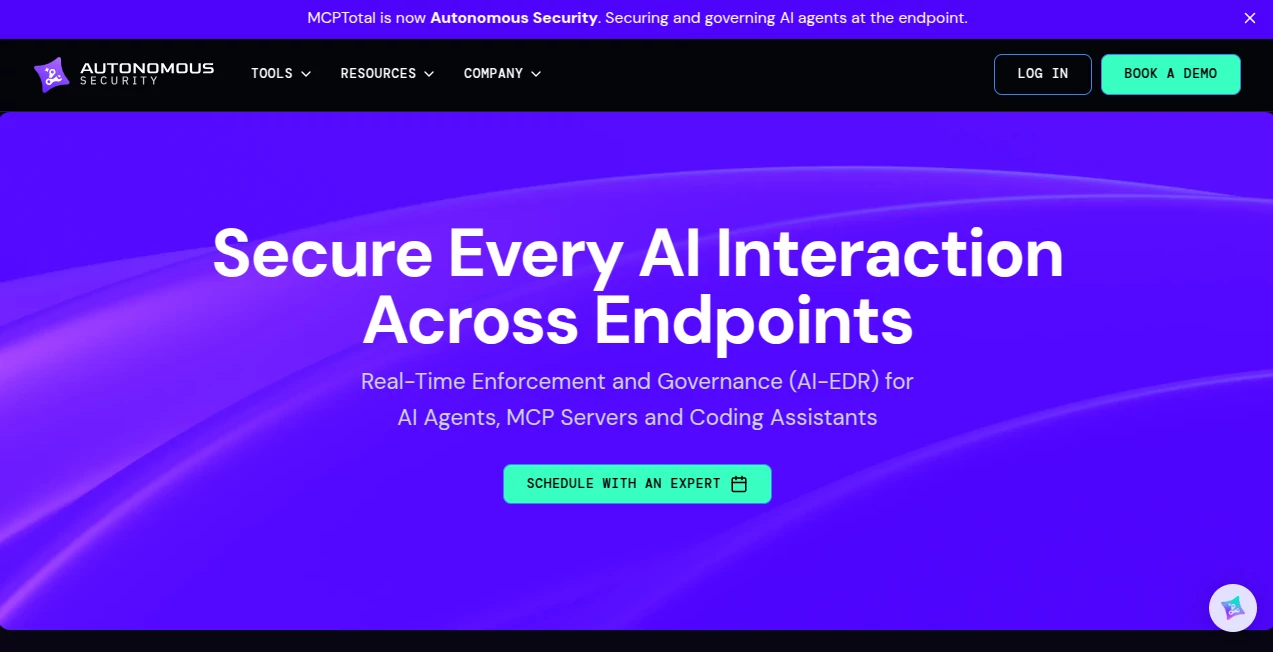
What is mcptotal.io?
In the rapidly evolving world of artificial intelligence, developers and teams are constantly looking for better ways to connect models, tools, and data sources. This platform emerges as a focused solution for exploring and managing MCP (Model Context Protocol) servers, helping users streamline integrations and build more capable AI systems without unnecessary complexity.
Instead of jumping between scattered resources or building everything from scratch, users can access a centralized environment designed to simplify discovery and implementation. It is especially useful for developers working with LLM-based applications who want a structured and scalable way to extend functionality.
Key Features
User Interface
The interface is designed with simplicity in mind. Users can quickly browse available MCP servers, filter options based on functionality, and understand each integration without needing deep technical digging. Everything is structured to reduce friction and improve productivity.
Accuracy & Performance
Each listed integration is presented with clear documentation and practical details. This ensures developers can make informed decisions without wasting time testing unreliable options. The platform prioritizes relevance and usability over clutter.
Capabilities
The system acts as a discovery layer for MCP-based tools, making it easier to extend AI applications. Whether building automation workflows or enhancing AI assistants, users can find compatible components that fit their needs.
Security & Privacy
The focus remains on providing trusted and well-structured information. While integrations vary by provider, the platform itself emphasizes safe browsing and transparent descriptions to help users evaluate tools responsibly.
Use Cases
- Finding MCP servers for AI application development
- Building modular AI workflows with external tools
- Exploring integrations for LLM-powered products
- Speeding up prototyping for AI startups
Pros and Cons
Pros
- Centralized discovery of MCP-related tools
- Developer-friendly structure
- Simplifies integration research
- Useful for AI builders and startups
Cons
- Still evolving ecosystem with limited standardization
- Some listings may require external validation
Pricing Plans
The platform itself typically focuses on access and discovery rather than charging for core usage. However, individual MCP servers or external integrations listed may have their own pricing models depending on the provider.
How to Use This Platform
Getting started is straightforward. Users can begin by exploring available MCP servers through categorized listings. Each entry provides a description, making it easier to understand what the integration does and how it fits into a workflow.
Once a suitable tool is found, developers can follow the provided documentation or external links to implement it within their AI systems. The platform acts as a guide rather than a complex setup tool, making the entire process more accessible.
Comparison with Similar Tools
Compared to general AI tool directories, this platform is more specialized. While other directories list a wide range of unrelated AI products, this one focuses specifically on MCP-based ecosystems. This makes it more valuable for developers working in AI infrastructure and LLM integration spaces.
Traditional documentation hubs often lack discoverability, but here the emphasis is on structured browsing and quick understanding, which helps reduce research time significantly.
Conclusion
For developers and AI enthusiasts looking to expand the capabilities of their applications, this platform offers a focused and efficient way to discover MCP servers. It bridges the gap between fragmented resources and practical implementation, making AI development workflows smoother and more scalable.
Frequently Asked Questions (FAQ)
What is this platform used for?
It is used for discovering and exploring MCP servers that can enhance AI applications and workflows.
Is it suitable for beginners?
Yes, the structured interface makes it accessible even for those who are new to MCP or AI integrations.
Do I need coding knowledge?
Basic development knowledge is helpful, especially for implementing MCP integrations into real projects.
Are all listed tools free?
Not necessarily. Some integrations may be free, while others follow external pricing models set by their providers.
Can it be used for production systems?
Yes, many developers use MCP-based tools in experimental and production environments, depending on stability and requirements.
AI API Design , Code & IT , AI Developer Tools , AI Tools Directory .
These classifications represent its core capabilities and areas of application. For related tools, explore the linked categories above.

mcptotal.io Alternatives Product

Tools Network

Newsletter S…

Website Clon…

GOLANG COLLE…

ATOZAITOOLS

PoweredbyAI

aiart tools

LPM 1.0

AIverse