
CircKit
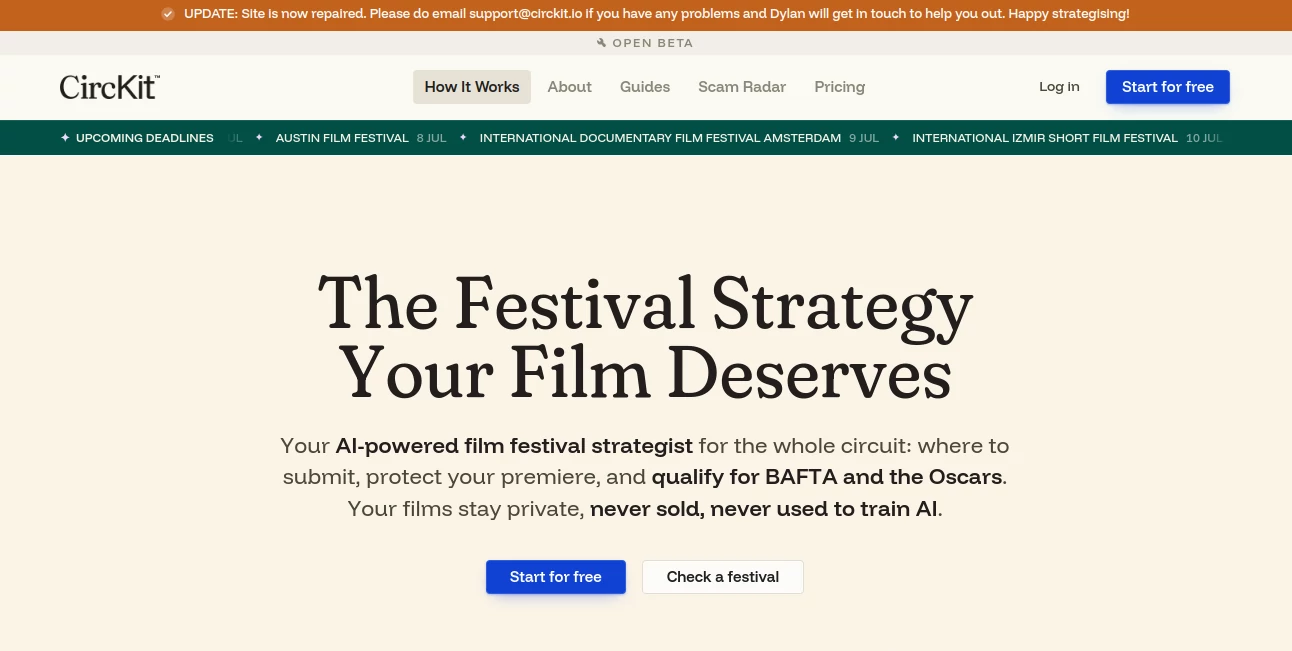
What is CircKit?
The fashion industry is under increasing pressure to balance creativity, profitability, and sustainability while complying with rapidly evolving environmental regulations. Managing product data, lifecycle assessments, and circular design strategies across multiple teams can quickly become overwhelming without the right technology.
This platform was created specifically to simplify those challenges. Instead of treating sustainability as a reporting exercise after production, it brings environmental intelligence directly into the product development process. Designers, sourcing specialists, buyers, and sustainability teams gain access to actionable insights before manufacturing begins, making smarter decisions possible when they matter most.
By transforming fragmented spreadsheets, technical documents, product specifications, and manufacturing data into a unified source of truth, businesses can reduce reporting workloads, improve collaboration, and build products designed for longer life cycles. The result is a practical solution that helps fashion and footwear brands improve compliance while uncovering new commercial opportunities through circular business models.
Key Features
User Interface
The platform offers a clean, business-focused dashboard that organizes complex sustainability data into understandable workflows. Information is presented in a structured way that allows design, sourcing, merchandising, finance, and compliance teams to collaborate without constantly switching between disconnected systems. Data harmonization happens behind the scenes, allowing users to focus on strategic decisions rather than manual administration.
Accuracy & Performance
One of its strongest advantages is the ability to automate lifecycle assessments with an impressive level of precision. Environmental calculations are generated within minutes instead of weeks or months, helping organizations evaluate entire product collections while significantly reducing consulting costs. Automated compliance reporting also minimizes repetitive manual work and accelerates regulatory preparation.
Capabilities
- AI-powered product lifecycle assessments.
- Data harmonization across multiple file formats.
- Circular product design guidance.
- Environmental impact measurement.
- Digital Product Passport preparation.
- Extended Producer Responsibility support.
- Material comparison during product development.
- Recommerce and recycling planning.
- Cross-team collaboration.
- Real-time sustainability insights before production.
Security & Privacy
Enterprise users benefit from secure cloud infrastructure designed for handling sensitive product information and internal business data. Access controls, centralized information management, and compliance-oriented workflows help organizations maintain confidence while working with proprietary manufacturing and sourcing information.
Use Cases
- Fashion brands preparing for new sustainability regulations.
- Footwear manufacturers optimizing product environmental impact.
- Design teams selecting lower-impact materials during development.
- Sustainability managers automating lifecycle assessments.
- Companies building Digital Product Passports.
- Businesses planning resale, repair, and recycling programs.
- Organizations improving collaboration between sourcing and compliance departments.
- Enterprises seeking measurable circular economy strategies.
Pros and Cons
Pros
- Purpose-built for the fashion and footwear industry.
- Combines sustainability, compliance, and commercial planning in one platform.
- Automates complex environmental calculations.
- Supports circular product development from the earliest design stages.
- Reduces manual reporting workloads.
- Improves collaboration across departments.
Cons
- Designed primarily for fashion and textile businesses rather than general manufacturing.
- Organizations with limited product data may require initial data preparation.
- Advanced enterprise capabilities may involve onboarding and implementation time.
Pricing Plans
Pricing is not publicly listed. Businesses can request a personalized demonstration and discuss implementation options based on their company size, operational requirements, and product portfolio.
How to Use CircKit
Begin by importing available product information such as bills of materials, spreadsheets, technical packs, or existing product management data. Once the information is consolidated, the platform automatically harmonizes records and generates environmental insights.
Teams can then review lifecycle assessments, compare material alternatives, monitor compliance requirements, evaluate recyclability, and identify opportunities for resale or circular business models before products move into production. This proactive workflow allows companies to make informed decisions while changes are still cost-effective.
Comparison with Similar Tools
Many sustainability platforms specialize in carbon reporting or lifecycle assessment after products have already been manufactured. In contrast, this solution focuses on integrating environmental intelligence directly into product development. Rather than acting solely as a reporting system, it supports decision-making throughout the design process while combining compliance, circular economy planning, product optimization, and business growth within a single ecosystem.
Its industry-specific focus also provides advantages over generic sustainability software by addressing the unique workflows, regulations, and operational challenges faced by fashion and footwear companies.
Conclusion
For brands navigating the future of sustainable fashion, having reliable information at the earliest stages of product development creates a meaningful competitive advantage. Instead of reacting to regulations after production, teams can proactively build products that are more compliant, environmentally responsible, and commercially successful.
By bringing together AI-powered analytics, lifecycle intelligence, data harmonization, and circular design principles, this platform helps organizations transform sustainability from a compliance obligation into a genuine driver of innovation and long-term business value.
Frequently Asked Questions (FAQ)
Who is this platform designed for?
It is primarily built for fashion, footwear, textile, sourcing, merchandising, design, and sustainability teams.
Can it automate lifecycle assessments?
Yes. It generates lifecycle assessment results automatically using available product information, significantly reducing manual effort.
Does it support regulatory compliance?
Yes. The platform helps organizations prepare environmental reporting, Digital Product Passports, and compliance-related documentation.
Is technical expertise required?
No. The interface is designed for business users, allowing multiple departments to collaborate without needing advanced technical knowledge.
Can it help improve circular economy initiatives?
Yes. It provides insights for product durability, recyclability, repair, resale opportunities, and end-of-life planning, helping businesses implement practical circular strategies.
AI Team Collaboration , AI Productivity Tools , AI Business Ideas Generator , AI Workflow Management .
These classifications represent its core capabilities and areas of application. For related tools, explore the linked categories above.

CircKit Alternatives Product
Zamicus

MindSnapz

BillEasy Inc

vivgrid

EasyVC

ChatGPT

UPDF AI

CtrlOps

mainaro