FoodShot
What is FoodShot?
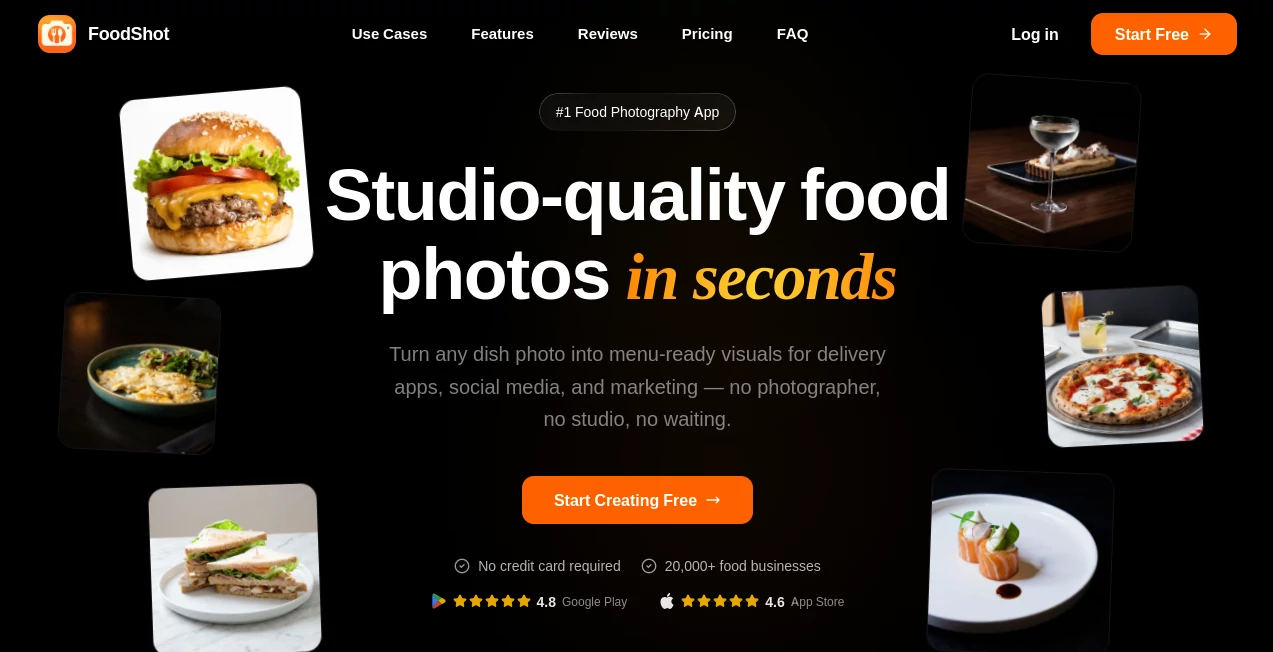
There’s something magical about a perfectly lit dish that makes your mouth water before you even taste it. For years, capturing that magic required professional lighting, expensive cameras, and hours of styling. This tool changes the game completely. You describe a dish or upload a basic photo, and it creates mouthwatering, professional-looking food images that look like they belong in a high-end cookbook or restaurant menu. I’ve seen home cooks turn their simple weekend recipes into visuals that get hundreds of likes, and chefs use it to quickly mock up new menu concepts. It feels like having a dedicated food photographer on call, minus the studio fees.
Introduction
Food content is everywhere — social media, menus, blogs, delivery apps — but creating visuals that actually make people stop scrolling is hard. This platform makes it easy and fast. Whether you’re a food blogger, restaurant owner, recipe developer, or just someone who loves sharing what they cook, it turns ideas into beautiful, appetizing images in seconds. The results look natural, not artificial, with great attention to lighting, plating, and that irresistible “just made” feel. It’s become one of those tools people quietly rely on because it consistently delivers visuals that make their food content stand out.
Key Features
User Interface
The experience is refreshingly straightforward. You can start with a text description (“creamy mushroom risotto in a rustic bowl, warm lighting, steam rising”) or upload your own photo for enhancement. Style options and aspect ratios are easy to adjust, and the preview appears quickly so you can iterate without waiting. It never feels overwhelming — just clean, focused, and designed for people who want results fast rather than wrestling with complicated settings.
Accuracy & Performance
It understands food extremely well — textures like crispy edges, glossy sauces, and fresh herbs come through naturally. The lighting and composition feel professional, and it avoids the common AI mistakes like weird melting cheese or unnatural colors. Generation is quick enough that you can create multiple variations in one session and pick the winner. Even when starting from a basic home photo, the improvements in appeal are dramatic.
Capabilities
You can generate completely new food images from text, enhance existing photos, create recipe illustrations, menu visuals, social media content, and even lifestyle shots with ingredients or finished plates. It supports different styles — from realistic photography to more artistic presentations — and various angles (overhead flatlays are especially strong). The outputs are high-resolution and ready for websites, Instagram, packaging, or print menus.
Security & Privacy
Your uploaded photos and generated images are handled securely. The platform focuses on delivering great results without unnecessary data collection or long-term storage of your personal content. For restaurants and creators working on new recipes or menus, that respectful approach builds confidence.
Use Cases
A home cook documents their family recipes with beautiful photos that finally do the dishes justice. A small restaurant owner creates professional menu images without hiring a photographer for every new special. A food blogger generates consistent visuals for an entire recipe series in one afternoon. A meal delivery service produces appetizing shots for their weekly changing menu. It works beautifully for anyone who needs food to look as good as it tastes.
Pros and Cons
Pros:
- Creates genuinely appetizing, high-quality food visuals that look professional.
- Extremely fast — perfect for tight content schedules.
- Understands food textures, lighting, and plating better than most general tools.
- Versatile enough for both realistic photography and creative presentations.
- Great value compared to hiring food photographers or stylists.
Cons:
- Very specific regional or cultural dishes may need more detailed prompting.
- Best results come from good starting descriptions or reference photos.
Pricing Plans
It offers a free tier generous enough to create several high-quality images per day, which is perfect for testing and small projects. Paid plans unlock higher volume, faster generation, more styles, and commercial usage rights. The pricing feels reasonable for the time and professional appearance it delivers — many users find it quickly pays for itself compared to traditional photography costs.
How to Use Foodshot
Head to the generator and either type a detailed description of the dish or upload an existing photo. Choose your preferred style and aspect ratio, then generate. Review the variations, pick your favorite, and download in high resolution. For even better results, experiment with adding details like “golden hour lighting” or “dark moody background.” The whole process is fast and addictive once you get the hang of prompting.
Comparison with Similar Tools
General image generators can create food pictures, but they often miss the mark on realism, texture, and appetite appeal. This one is specialized — it understands food deeply and consistently produces visuals that make people hungry. It strikes a great balance between creative freedom and reliable, appetizing results that actually work for professional use.
Conclusion
Great food deserves visuals that do it justice. This tool makes creating those visuals fast, easy, and genuinely effective. Whether you’re building a food blog, running a restaurant, or just sharing your cooking journey, it helps your content look as delicious as the real thing. In a world where everyone is fighting for attention with their food photos, having this kind of quality at your fingertips feels like a serious advantage.
Frequently Asked Questions (FAQ)
How realistic do the images look?
Very realistic — especially when using detailed prompts and reference photos.
Can I use the images commercially?
Yes, paid plans include commercial usage rights.
Do I need professional photos to start?
Not at all — even simple phone shots can be dramatically improved.
How fast is generation?
Usually just a few seconds per image, so you can create multiple options quickly.
What kind of food works best?
It handles everything from street food to fine dining, though plated dishes and ingredients tend to shine particularly well.
AI Photo & Image Generator , Photo & Image Editor , AI Design Generator , AI Image to Image .
These classifications represent its core capabilities and areas of application. For related tools, explore the linked categories above.

FoodShot Alternatives Product

ShinePhoto

JPG to Small

Upscale image

Pixel Art Vi…

Createimg.ai

SciDraw AI

Carouzel AI

Toon Tone
AI 3D World