

















ModelAtlas.net
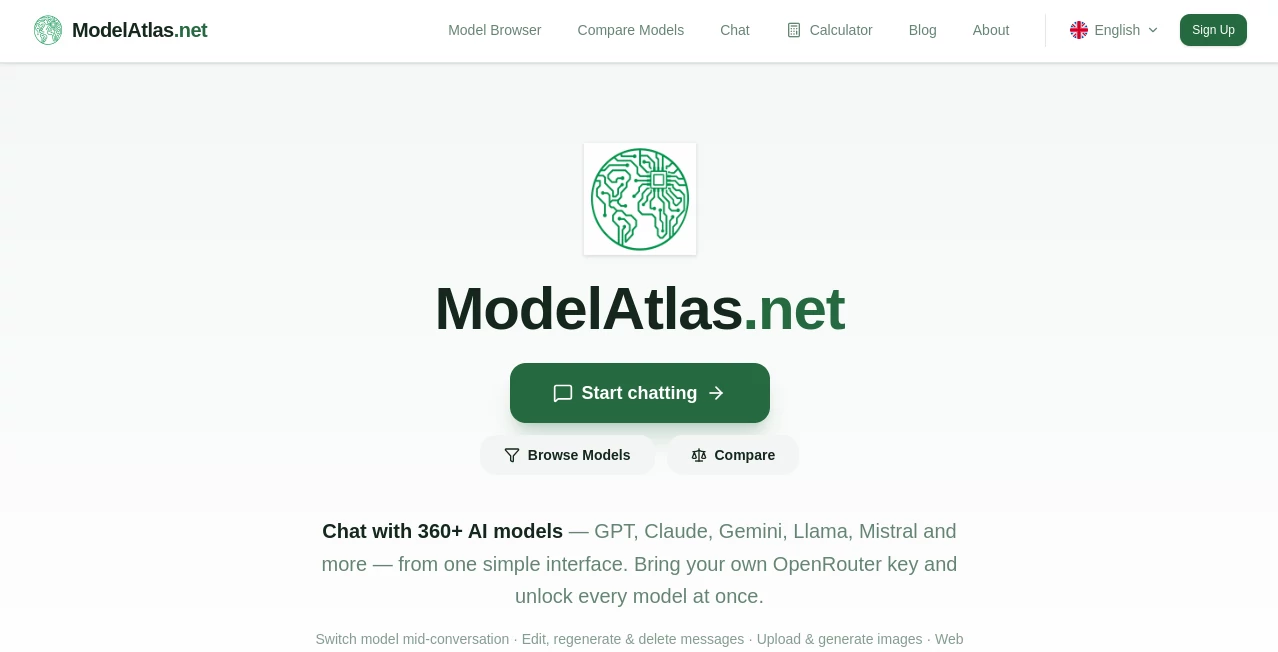
What is ModelAtlas.net?
I used to waste so much time jumping between different leaderboards, GitHub repos, and scattered blogs just to figure out which model actually performed well for a specific task. Then I found this platform and it felt like someone finally organized the chaos. Model Atlas brings together the top AI models in one clean, well-structured place with clear comparisons, real performance data, and honest insights. It’s become my go-to whenever I need to choose the right model without second-guessing myself.
Introduction
The AI model landscape moves incredibly fast. New releases drop constantly, benchmarks get updated, and it’s hard to keep track of what’s actually good for real work versus what just sounds impressive. This platform cuts through that noise by curating and comparing the best models across different categories. Whether you’re a developer looking for the right LLM, a designer exploring image models, or a researcher comparing options, it gives you practical information instead of hype. The best part is how it feels built by people who actually use these models, not just list them.
Key Features
User Interface
The site is clean and intuitive. You can browse by category, search for specific capabilities, or dive into detailed model cards that show exactly what you need to know. Side-by-side comparisons are easy to read, and filters help you narrow down options based on speed, cost, quality, or use case. It never feels overwhelming — just organized and respectful of your time.
Accuracy & Performance
The evaluations feel grounded in real testing rather than marketing numbers. You get clear breakdowns of strengths and weaknesses, benchmark context, and practical observations about how models behave in everyday scenarios. This helps you make decisions based on reality instead of hype, which saves both time and frustration.
Capabilities
It covers a wide range of models — from large language models and vision models to specialized tools for different tasks. You can compare them directly, see pricing information, access links, and understand ideal use cases. The platform also highlights emerging models worth watching, helping you stay ahead without having to constantly hunt for updates yourself.
Security & Privacy
Your browsing and searches stay private. The platform focuses on delivering value without aggressive tracking or data collection. For professionals and teams evaluating tools, that clean approach builds trust.
Use Cases
A developer choosing an LLM for their app uses the comparisons to find the best balance of performance and cost. A content creator explores image generation models and quickly identifies which one matches their style best. A researcher compares multiple models for a specific academic task and saves hours of manual testing. Teams use it during tool evaluation meetings to make more informed collective decisions. It fits naturally into any workflow where choosing the right AI model matters.
Pros and Cons
Pros:
- Clear, practical comparisons that actually help you choose.
- Regularly updated with new and emerging models.
- Clean interface that makes research feel easy instead of exhausting.
- Focuses on real-world usability rather than just benchmark scores.
- Free access to core information with no annoying paywalls for basics.
Cons:
- Some very new or niche models may take time to appear as the platform grows.
- Advanced analytics or deeper benchmarking may require premium access.
Pricing Plans
The core experience — browsing models, reading comparisons, and getting practical insights — is freely available. This makes it accessible for individuals, students, and small teams. Paid plans likely unlock deeper analytics, priority updates, or advanced filtering, but the main value remains open and useful without requiring payment.
How to Use Model Atlas
Start on the homepage and either browse popular categories or use the search bar for a specific model or capability. Click on any model to see detailed information, benchmarks, pros/cons, and comparisons with alternatives. Use the filters to narrow your options based on what matters most to you (speed, cost, quality, etc.). Save interesting models for later reference. The process stays simple whether you’re doing quick research or a deep evaluation.
Comparison with Similar Tools
Many model directories are just long lists with minimal context. Others focus heavily on benchmarks but ignore real usability. This platform stands out by balancing technical data with practical insights and keeping everything well-organized and up to date. It feels less like a database and more like a knowledgeable colleague recommending tools based on actual experience.
Conclusion
Choosing the right AI model shouldn’t be overwhelming. This platform makes it clearer, faster, and more informed by bringing together the best options in one thoughtful space. Whether you use AI casually or build with it professionally, having reliable guidance like this saves time and leads to better decisions. In a fast-moving field, it’s the kind of resource that quickly becomes essential.
Frequently Asked Questions (FAQ)
How often is the directory updated?
New models and updates are added regularly as the AI landscape evolves.
Is it only for developers?
No — it’s useful for anyone who needs to understand and choose AI tools, from beginners to experts.
Are the comparisons unbiased?
Yes — the focus is on practical performance and real usability rather than sponsorships.
Can I suggest a model to be added?
Most platforms like this welcome community suggestions through their contact options.
These classifications represent its core capabilities and areas of application. For related tools, explore the linked categories above.

ModelAtlas.net Alternatives Product

Sound Level …

ChatView-AI …

AIDogeBox

Digitool

GPTZero

Greek Numero…

TheSaasDir

AIStage

Launchit
