

















XCrawl
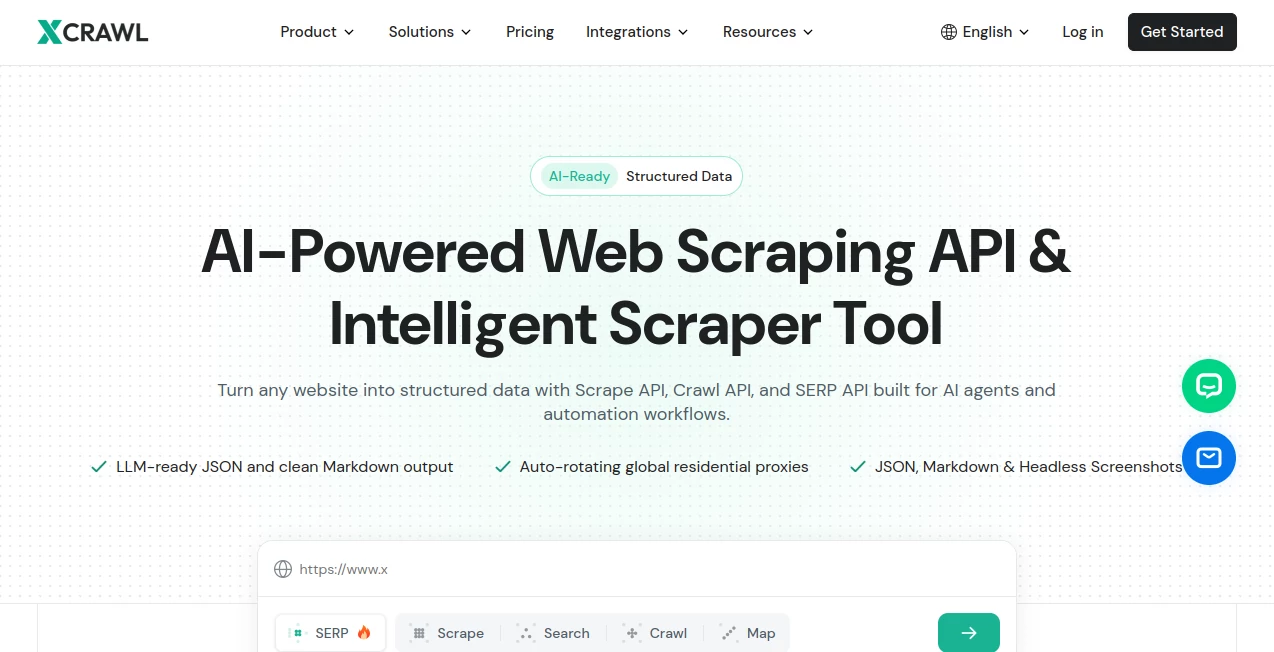
What is XCrawl?
In today’s data-driven world, accessing structured and reliable web data has become essential for developers, analysts, and digital businesses. This platform is designed to simplify the entire process of web crawling and data extraction, allowing users to collect large-scale information from websites without dealing with complex infrastructure or manual scraping logic.
It provides a powerful yet accessible environment where both beginners and advanced developers can automate data collection workflows. Whether you are building a search engine, monitoring competitors, or feeding data into AI models, this tool offers a flexible foundation to support your goals.
Key Features
User Interface
The interface is designed with clarity in mind. Users can easily configure crawling tasks, define targets, and manage extraction rules without needing deep technical expertise. The workflow feels structured and intuitive, making it suitable even for first-time users.
Accuracy & Performance
One of the strongest aspects of this platform is its ability to handle large-scale crawling tasks efficiently. It minimizes data loss and ensures extracted information remains structured and usable. Performance optimization allows it to manage multiple requests while maintaining stability.
Capabilities
- Large-scale web crawling and scraping automation
- Structured data extraction from complex websites
- Support for dynamic and static content sources
- Workflow customization for different data needs
- Integration-ready outputs for developers and AI systems
Security & Privacy
Security is handled with care, ensuring that user data and extraction processes remain protected. The system is designed to operate in compliance with modern data handling standards, reducing risks associated with large-scale data collection.
Use Cases
This platform is useful in a wide range of industries. Businesses use it for competitor monitoring, pricing intelligence, and market research. Developers rely on it to build datasets for machine learning models. SEO specialists use it to analyze search results and track website performance trends.
Pros and Cons
Pros
- Easy to use even for non-technical users
- Scalable architecture for large datasets
- Flexible data extraction options
- Suitable for both business and development use
Cons
- Advanced configurations may require learning time
- Performance depends on target website complexity
- Large-scale operations may need optimization experience
Pricing Plans
The platform typically offers flexible pricing structures based on usage and scale. Users can start with basic access for small projects and upgrade to more advanced plans as their data requirements grow. This makes it suitable for startups as well as enterprise-level operations.
How to Use xcrawl.com
Getting started is straightforward. After setting up an account, users can define a crawling project by selecting target URLs and configuring extraction rules. Once the task is launched, the system begins collecting structured data automatically. Results can then be exported or integrated into external systems for further processing.
Comparison with Similar Tools
Compared to traditional scraping solutions, this platform focuses more on usability and scalability. While many tools require heavy manual coding or maintenance, this one reduces technical barriers and streamlines the workflow. It positions itself as a balanced solution between developer flexibility and user-friendly automation.
Conclusion
For anyone looking to simplify web data extraction without sacrificing power or flexibility, this platform delivers a strong balance. It bridges the gap between complex scraping frameworks and easy-to-use automation tools, making it a practical choice for a wide range of users and industries.
Frequently Asked Questions (FAQ)
Is this platform suitable for beginners?
Yes, it is designed to be accessible for users with little or no coding experience while still offering advanced features for professionals.
Can it handle large-scale data extraction?
Yes, it is built to support scalable crawling tasks and can manage significant data volumes depending on system configuration.
Does it require programming knowledge?
Basic use does not require coding, but advanced customization may benefit from technical knowledge.
What kind of data can be extracted?
It can extract a wide variety of publicly available web data, including text, listings, and structured content depending on the target site.
AI Data Mining , AI Research Tool , AI Web Scraping , AI Developer Tools .
These classifications represent its core capabilities and areas of application. For related tools, explore the linked categories above.

XCrawl Alternatives Product
BootstrapKing

Defapi
Timestamp Ro…
Odysseus AI
Project Genie

Verne

Sorank

Lovable APP

Geoleaper
