
Commissioned
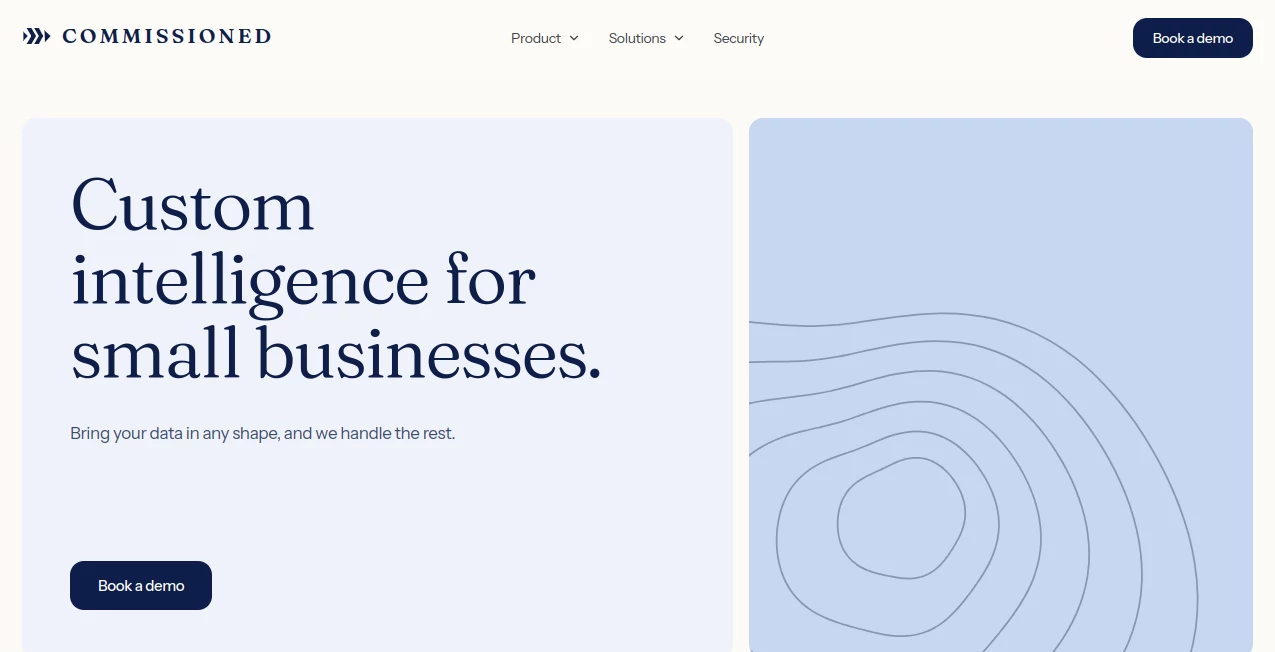
What is Commissioned?
In a world where digital tasks, creative requests, and operational workflows are growing faster than teams can handle, having a centralized system to manage commissioned work is no longer a luxury—it is a necessity. This platform is designed to simplify how individuals and businesses assign, track, and complete tasks with clarity and speed.
Instead of juggling endless messages, spreadsheets, and scattered tools, users gain a structured environment where work flows naturally from request to delivery. The experience feels less like managing software and more like coordinating a well-trained team that never loses track of details.
Key Features
User Interface
The interface is intentionally minimal yet powerful, allowing users to focus on what matters most: the work itself. Navigation is smooth, with clearly defined sections for task creation, progress tracking, and communication. Even first-time users can adapt quickly without training or onboarding complexity.
Accuracy & Performance
Speed and reliability are at the core of the system. Tasks are processed and updated in real time, reducing delays and miscommunication. Whether handling a single request or managing multiple ongoing projects, performance remains stable and responsive.
Capabilities
This platform supports a wide range of commissioning workflows, from simple one-off tasks to more structured, multi-step processes. It adapts to different industries, making it useful for creators, agencies, startups, and growing teams that need flexible task orchestration.
- Task assignment and tracking
- Workflow automation and structuring
- Collaborative communication channels
- Progress visibility in real time
Security & Privacy
Data protection is treated with high importance. Work-related information and communication remain secure, ensuring that sensitive projects are handled with discretion and reliability. Users maintain control over access and visibility at all times.
Use Cases
- Managing creative production pipelines such as design, writing, or media tasks
- Coordinating client work for agencies and freelancers
- Handling internal company task distribution
- Organizing multi-step business operations
- Streamlining remote team collaboration
Pros and Cons
Pros
- Simple and intuitive workflow structure
- Reduces communication overload
- Flexible for different industries
- Real-time task visibility
Cons
- May require initial setup for complex workflows
- Advanced automation features may take time to explore fully
Pricing Plans
The platform typically follows a flexible pricing structure designed to accommodate individuals, small teams, and larger organizations. Users can start small and scale as their workload increases, ensuring they only pay for what they actually use.
How to Use Commissioned
Getting started is straightforward. Users begin by creating a workspace, defining their first task or project, and assigning responsibilities. From there, the system guides the workflow naturally, allowing updates, communication, and completion tracking in one place.
As users become more familiar, they can begin structuring more advanced workflows, connecting multiple tasks together, and improving efficiency across their entire operation.
Comparison with Similar Tools
Unlike traditional project management tools that often feel heavy or overly complex, this platform focuses specifically on commissioning-style workflows. It bridges the gap between task management and real execution, making it more suitable for fast-moving teams and creators who value clarity over clutter.
Categories
- AI Productivity Tools
- AI Workflow Management
- AI Project Management
- AI Productivity
Conclusion
For teams and individuals who deal with frequent task delegation and project execution, this platform offers a refreshing balance of simplicity and control. It removes unnecessary complexity while still providing the structure needed to keep work moving efficiently. The result is a smoother, more organized way to handle commissioned work without the usual chaos.
Frequently Asked Questions (FAQ)
What is this platform used for?
It is designed to manage and streamline commissioned tasks, helping users organize, assign, and complete work in a structured environment.
Is it suitable for small teams?
Yes, it works well for both individuals and small teams, especially those handling multiple client or internal tasks.
Does it support workflow automation?
Yes, it includes features that help automate and simplify repetitive task flows, improving overall efficiency.
Can it be used for creative work?
Absolutely. It is well-suited for creative industries such as design, writing, and content production.
Is it beginner-friendly?
Yes, the interface is designed to be intuitive, allowing new users to get started quickly without technical knowledge.
AI Workflow Management , AI Project Management , AI Productivity Tools .
These classifications represent its core capabilities and areas of application. For related tools, explore the linked categories above.

Commissioned Alternatives Product

Discord Time…

Hands Off

BulkPicTools

VisualGPT

Nimbalyst

Solovio

HeyZinc
LaunchBoard

Manifestly C…