


















Couplework AI
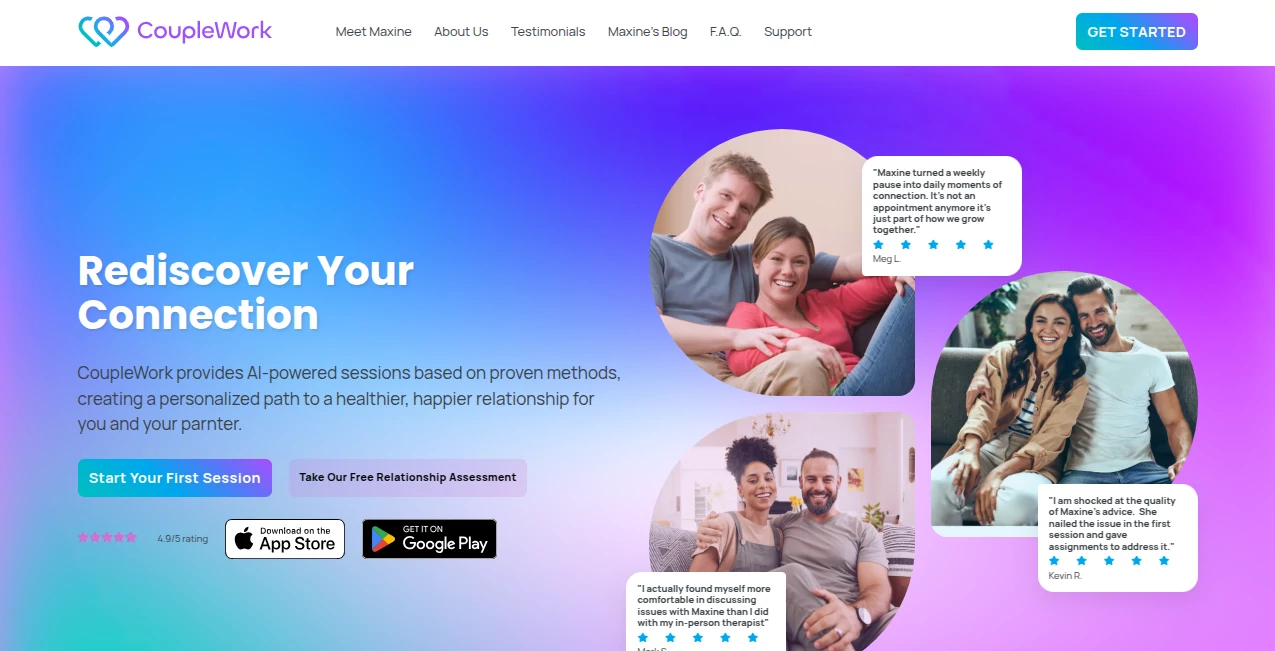
What is Couplework AI?
Modern teams are constantly juggling communication, task tracking, documentation, and workflow management across multiple tools. This often leads to fragmented work and lost productivity. The platform introduced here aims to simplify that chaos by bringing collaboration, organization, and smart automation into a single unified environment.
Instead of switching between apps for notes, tasks, and communication, users can manage everything in one place. The experience feels designed for teams that want clarity, speed, and smoother coordination without unnecessary complexity.
Key Features
User Interface
The interface is clean and minimal, focusing on usability rather than overwhelming users with unnecessary options. Navigation feels intuitive, making it easy for both beginners and experienced teams to get started quickly.
Accuracy & Performance
The system is built to handle real-time collaboration smoothly. Updates sync quickly across users, ensuring that teams stay aligned without delays or confusion in shared projects.
Capabilities
- Centralized workspace for team collaboration
- Task and workflow organization tools
- Shared documentation and notes management
- Real-time updates across team members
- Flexible structure for different team sizes
Security & Privacy
Security is handled with a focus on protecting shared team data. Access controls and permission settings help ensure that sensitive information remains available only to the right users within a workspace.
Use Cases
- Managing remote team collaboration across different time zones
- Organizing project tasks and workflows in startups
- Centralizing communication for small and mid-sized teams
- Improving productivity in agencies handling multiple clients
Pros and Cons
Pros:
- All-in-one workspace reduces tool switching
- Easy-to-use interface suitable for all experience levels
- Supports team collaboration in real time
- Flexible enough for different industries
Cons:
- May require onboarding time for larger teams
- Advanced customization options may be limited for power users
- Relies heavily on team adoption for maximum value
Pricing Plans
The platform typically follows a flexible pricing structure depending on team size and feature requirements. Many users start with a basic plan to explore functionality before upgrading to more advanced collaboration features as their needs grow.
How to Use This Tool
Getting started is straightforward. After creating an account, users can set up a workspace, invite team members, and begin organizing tasks or projects. The onboarding flow usually guides users step by step, making it easy to configure the environment based on team needs.
Once inside, teams can create tasks, share notes, and manage workflows collaboratively. Everything updates in real time, helping teams stay aligned without constant manual check-ins.
Comparison with Similar Tools
Compared to traditional project management platforms, this solution focuses more on unified collaboration rather than separating tools into different modules. While some competitors may offer deeper specialization in specific areas like task tracking or documentation, this platform prioritizes simplicity and centralization.
Conclusion
For teams looking to reduce friction in daily collaboration, this platform offers a balanced mix of simplicity and functionality. It is particularly valuable for groups that want to replace multiple disconnected tools with a single, cohesive workspace. While it may not replace highly specialized enterprise systems, it delivers strong value for modern, fast-moving teams.
Frequently Asked Questions (FAQ)
Is this platform suitable for small teams?
Yes, it is designed to support both small teams and growing organizations with flexible collaboration tools.
Does it support real-time collaboration?
Yes, updates and changes sync in real time across all users in a workspace.
Can it replace multiple productivity tools?
In many cases, yes. It is designed to centralize tasks, notes, and collaboration in one place.
Is it beginner-friendly?
Yes, the interface is designed to be simple and easy to navigate even for first-time users.
Does it work for remote teams?
Yes, it is especially useful for remote and distributed teams that need centralized coordination.
AI Productivity Tools , AI Team Collaboration , AI Workflow Management .
These classifications represent its core capabilities and areas of application. For related tools, explore the linked categories above.
Couplework AI details
Website unavailable — View Alternatives
Pricing
- Free
Apps
- Web App
- iOS App
- Android App
Categories

Couplework AI Alternatives Product

Futurwise

hd image con…

Jujutsu Zero…

Discord Time…

ChatGPT

Nimbalyst

Calculadora …

ShipBoost

Agent Grid