

















Ecom Mediatech
What is Ecom Mediatech?
Let's be honest for a second. Running an online store is tough. Between managing inventory, processing orders, and trying to drive traffic, who actually has time to figure out which Shopify app is worth the money, or whether that WooCommerce extension will actually solve the problem? Most of us end up wasting hours—sometimes days—going down rabbit holes of bad advice and outdated reviews.
That’s exactly why this platform exists. It cuts through all that noise. Think of it like having that one friend who’s always five steps ahead. They already tested the plugins, read the fine print on the BigCommerce tools, and can tell you in two minutes whether that Magento extension is a lifesaver or just another headache waiting to happen. It’s a professional ecommerce blog built for real people who actually sell things online, not just tech reviewers throwing jargon at you.
Whether you're just setting up your first store on Shopify or you’ve been deep in the WordPress woods for years, the goal here is simple: give you reliable, straight-to-the-point insights. No fluff, no paid shills, just honest breakdowns of the tools that actually help you build, manage, and grow. Let’s walk through why this resource is quickly becoming a go-to for store owners who want to stop guessing and start scaling.
Key Features
You could say the main feature here is clarity. But let’s dig a little deeper into the specific areas where this platform really earns its keep.
User Interface
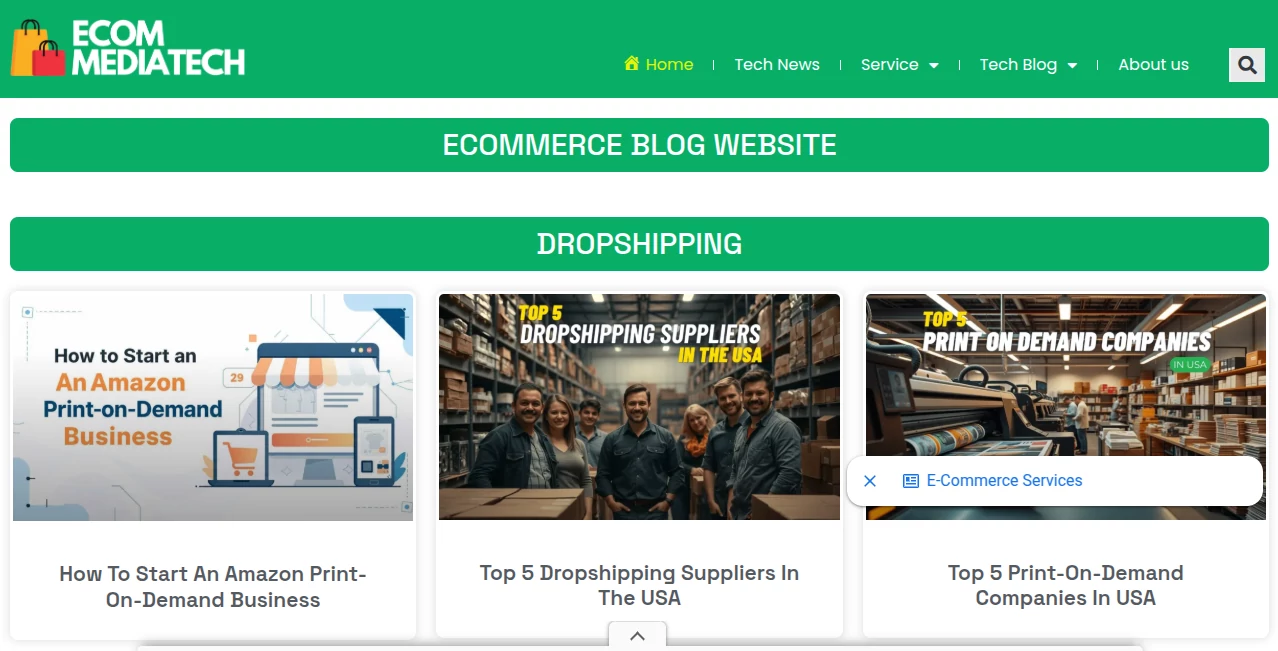
Nobody wants to fight with a website just to find a simple review. The layout is clean, almost calming compared to most tech blogs that look like they were designed in the early 2000s. You’re not bombarded with pop-ups, autoplay videos, or those annoying slideshows that make you click through fifteen pages for one answer. Categories are laid out logically. You click on Shopify apps, you get Shopify apps. You want Zohocommerce solutions? It’s right there. Everything is organized so you can find what you need before your coffee gets cold.
Accuracy & Performance
Here’s the part that really matters in ecommerce—accuracy. A wrong recommendation can cost you real money. Whether it’s a buggy WordPress plugin that crashes your site on Black Friday or a Shopify app that doesn’t do what it promised, bad info hurts. The reviews here aren’t just surface-level “this is great!” fluff pieces. They dig into the actual performance. Does that Magento extension slow down your load speed? Does that WooCommerce tool actually integrate cleanly with your existing setup? They tell you. It’s the kind of practical, “wish I knew this before” detail that saves you from expensive mistakes.
Capabilities
The range of what’s covered is honestly impressive. This isn’t just another Shopify blog or a WooCommerce forum. It bridges all the major players. You’ve got deep dives on Shopify apps and themes, but also solid coverage of Magento extensions, BigCommerce apps, WordPress plugins, and even tools for Zohocommerce. Plus, there’s a smart focus on growth strategies—not just “how to install X,” but how to use these tools together to actually grow your revenue. They talk about Facebook and Instagram integrations for social selling, LinkedIn for B2B ecommerce, and even using platforms like Medium for content marketing. It’s a full picture, not just one piece of the puzzle.
Security & Privacy
Nobody wants to talk about security until something goes wrong. But when you’re running an online store, handling customer data, and processing payments, security isn’t optional. The platform takes a responsible approach here. When they review tools and plugins, they don’t skip over the security protocols. You’ll find practical notes on which apps handle data properly, what permissions you’re really giving a plugin, and whether a tool’s privacy policy actually protects you (or just covers their own back). It’s the kind of reassurance you need before connecting anything to your store’s backend.
Use Cases
Still trying to figure out if this is for you? Here are a few real-life situations where this resource becomes absolutely invaluable.
- The “Too Many Options” Problem: You search for a solution on the Shopify app store and get 400 results. How do you choose? The platform gives you curated, honest comparisons so you can narrow down to 2-3 real contenders instead of scrolling endlessly.
- Switching Platforms: Moving from WooCommerce to BigCommerce? Or Magento to Shopify? The guides walk you through which plugins and extensions you’ll need to rebuild your store’s functionality on the new platform.
- Scaling Up: Your small store is suddenly doing real volume. You need better inventory tools, advanced analytics, or automated marketing. The site helps you find the enterprise-level tools that won’t break your budget.
- Social Media Integration: You want to sell on Instagram or run ads on Facebook, but the technical setup is confusing. There are detailed breakdowns on which apps handle social commerce best.
- First-Time Store Owner: You have a product but no idea where to build your site. The comparison guides on Shopify vs WooCommerce vs Magento actually help you make the right call based on your specific needs.
I remember talking to a friend who runs a small home decor brand. She spent three weeks trying to find a loyalty program app for her WooCommerce site. Three weeks! I sent her here, and she found the right plugin in about fifteen minutes. That’s the difference good information makes.
Pros and Cons
Okay, nothing in life is perfect. Let’s be fair about what works really well and what might leave you wanting a little more.
Pros:
- Unbiased reviews. They don’t just push the highest-paying affiliate links.
- Covers multiple platforms (Shopify, WooCommerce, Magento, BigCommerce, Zohocommerce).
- Practical, actionable advice, not vague theory.
- Clean, easy-to-navigate layout that saves time.
- Regularly updated content so you’re not reading outdated information.
Cons:
- Some of the deepest technical dives assume you already know basic ecommerce terminology.
- It’s a blog platform, not a live tool—so you’ll need to click through to actual app stores to install anything.
- Could use even more video tutorials for visual learners.
Pricing Plans
Here’s some genuinely good news: access to all the articles, reviews, guides, and comparisons is completely free. You don’t need to enter a credit card, sign up for a “trial,” or get trapped into a monthly subscription just to read whether an app is worth your time. The platform is supported through partnerships and affiliate relationships (transparently disclosed), but the information itself costs you nothing. That makes it a pretty easy decision to bookmark it and come back whenever you’re stuck.
How to Use This Platform
Getting started takes about ten seconds. Open the site, and you’ll see clear categories right away—Shopify apps, Magento extensions, WooCommerce tools, BigCommerce apps, WordPress plugins, and Zohocommerce solutions. Pick the platform you’re using. Browse the latest reviews or use the search bar if you already know the name of a tool. Each review gives you a straightforward breakdown: what it does, how well it works, what it costs, and whether it’s actually worth installing. If you’re trying to make a decision between two similar tools, look for the comparison articles. That’s it. No account required, no hidden steps.
Comparison with Similar Tools
If you’ve spent any time on general tech review sites, you know the problem. They review one Shopify app in isolation, but they don’t understand ecommerce. This platform is different because it’s specialized. It’s built by people who understand the specific headaches of running an online store—cart abandonment, payment gateway issues, inventory sync problems, export/import headaches with CSV files. General blogs miss those nuances. Official app marketplaces (like the Shopify App Store) only show you their own ecosystem. This platform shows you what works across ecosystems, so you’re not trapped in one platform’s biased recommendations. It sits right in the sweet spot between overly technical developer documentation and shallow “top 10” listicles.
Conclusion
Look, running an ecommerce business is hard enough without spending your limited time filtering through bad advice. Having a reliable, honest, and genuinely helpful resource makes all the difference. Whether you’re hunting for the perfect Shopify app, trying to understand Magento extensions, or just wanting to grow your store smarter, this platform delivers. It’s clear, it’s practical, and it actually respects your time. Bookmark it. Share it with your business partner. And the next time you’re stuck wondering which tool to trust, you’ll know exactly where to go.
Frequently Asked Questions (FAQ)
Is this only for Shopify users?
Not at all. While Shopify gets a lot of coverage, the platform also deeply covers WooCommerce, Magento, BigCommerce, WordPress plugins, and Zohocommerce solutions.
Are the reviews sponsored?
No. The site may use affiliate links, but the reviews themselves are honest assessments. They’ll tell you when a tool has flaws, not just hype the positives.
Do I need to pay for access?
Nope. All articles, guides, and comparisons are completely free to read. No subscription ever required.
How often is new content added?
Regularly. The ecommerce tool landscape changes fast, and the platform consistently updates reviews and adds new tool discoveries to keep things current.
Can I request a review of a specific tool?
While there’s no guarantee, the platform is built around serving store owners. Reaching out with requests is always worth a shot—real user needs often drive the next articles.