
















veo 4
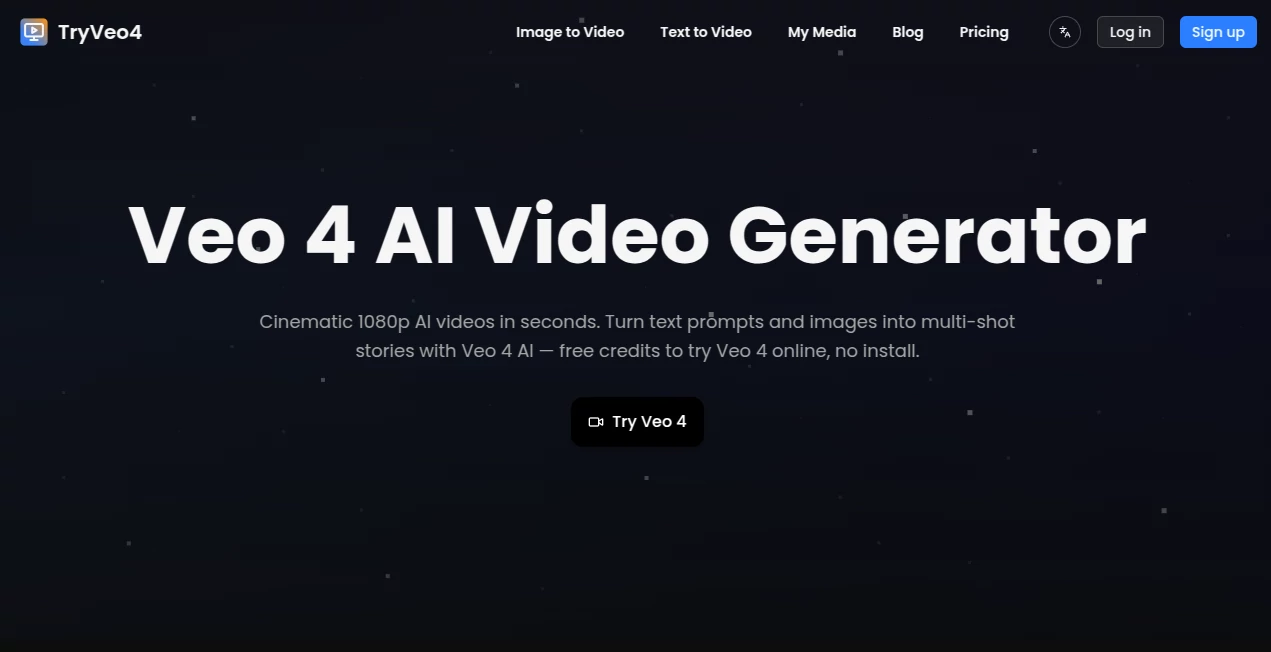
What is veo 4?
Let’s be honest for a second. Most AI video tools out there still feel like they were built by engineers who have never held a camera. You type in a prompt, wait forever, and get something that looks... fine. But fine doesn’t stop the scroll. Fine doesn’t sell products or build brands.
That’s exactly where this platform breaks the mold. It’s not just another text-to-video generator that spits out random clips. This is a full-on creative studio powered by next-generation Veo 4 architecture and Sora 2 technology. Whether you’re a solo creator burning the midnight oil or a marketing lead drowning in content demands, this tool actually feels like it was built for you. No fluff. No endless tweaking. Just cinematic-quality videos that look like they took days to produce, delivered in minutes.
Key Features
The magic here isn’t just one thing—it’s how everything works together. You get speed, quality, and creative control without needing a degree in video production.
User Interface
Opening this platform for the first time feels refreshingly simple. There’s no overwhelming dashboard with a hundred buttons you’ll never use. Just a clean workspace where you can drop your idea, tweak a few settings, and let the engine do its thing. A friend of mine who runs social media for a skincare brand tested it out. She’s not technical at all—like, struggles-with-export-settings not technical. Within ten minutes, she had generated three different promotional clips that actually looked professional. That’s the kind of accessibility we’re talking about.
Accuracy & Performance
Speed matters more than most people admit. When you’re chasing a trend or responding to feedback, waiting around for a video to render kills momentum. This platform delivers what they call “lightning-fast generation”—and honestly, that’s not just marketing speak. In practical terms, you’re looking at render times that reportedly run up to three times faster than competing services. More importantly, the accuracy holds up. Characters move naturally. Transitions don’t stutter. And the lip-syncing when you use avatars? Surprisingly tight, with error rates that rival much more expensive enterprise solutions.
Capabilities
Here’s where things get genuinely interesting. Most AI video tools still think in single shots—one prompt, one clip, end of story. This platform works differently because it’s built on an engine that understands multi-shot storytelling natively. That means you can generate sequences with smooth transitions, consistent characters, and actual narrative flow. Jumping between scenes doesn’t break the immersion. Characters look the same from shot to shot, which sounds basic until you realize how many tools can’t pull it off. You also get both text-to-video and image-to-video modes, plus AI virtual avatar generation for when you need a presenter without hiring one.
Security & Privacy
Nobody wants their unreleased campaign footage floating around somewhere it shouldn’t be. The platform offers private creation across all paid plans, meaning your work stays yours. No watermarks stamped on your finals, either. And if you’re building assets for clients or commercial projects, the full commercial usage license removes any legal guesswork. What you make, you own. Plain and simple.
Use Cases
The beauty of this tool is how adaptable it really is. Different people will use it differently, and that’s by design.
- Social media teams can crank out Reels, TikToks, and YouTube Shorts without burning hours in Premiere Pro.
- E-commerce brands turn product photos into dynamic video ads that actually demonstrate value.
- Course creators generate explainer clips and lecture openers that keep students engaged.
- Marketing agencies run A/B tests on multiple video variations without blowing their production budget.
- Solo entrepreneurs create professional-looking brand content without hiring a videographer.
A real-world example? A small coffee equipment company used this to transform static product shots into short brewing tutorials. Their engagement on Instagram more than doubled in two weeks. That’s the kind of result that pays for itself immediately.
Pros and Cons
No tool is perfect for everyone. Let’s break down what works really well and where you might want to manage expectations.
What stands out: The cinematic quality at 1080p punches above its weight class. Character consistency across multiple shots solves a headache that plagues cheaper alternatives. The pricing structure actually makes sense for both individuals and teams. And that full commercial license? Essential for anyone doing client work.
What to consider: Like most AI video platforms, you’re working within a credit-based system. It’s fair and transparent—Basic gives you around 20 videos monthly, Pro bumps that past 100—but heavy users will want the higher tiers. Also, while the interface is intuitive, getting truly cinematic results still requires decent prompt writing. Garbage in, garbage out applies here like everywhere else.
Pricing Plans
The platform keeps things straightforward with three monthly options. No hidden fees, no surprise charges.
The Basic plan runs $9 per month, giving you 200 credits which typically covers about 20+ video generations. You get full 1080p output, both text and image-to-video modes, character consistency across clips, private creation, no watermarks, and a complete commercial license.
The Pro plan costs $29 monthly and bumps you to 1,000 credits—roughly 100+ videos. Everything from Basic carries over, making this the sweet spot for active creators and small agencies.
The Premium plan is $59 per month, offering 3,000 credits for 300+ videos plus priority customer support. Perfect for teams and high-volume production.
Annual commitments knock about 41% off the monthly rates, which adds up fast if you know you’re sticking around. And if you ever need extra credits mid-cycle, you can purchase add-on packs without changing your base plan.
How to Use This Tool
Getting started takes maybe five minutes. Sign up, choose your plan, and you’re looking at the main dashboard. From there, decide whether you’re starting from a text prompt or an existing image. Type your description—be specific about style, mood, and key details—or upload a reference photo. Pick your aspect ratio and any additional parameters like duration or character references. Hit generate and wait anywhere from a few seconds to a couple minutes depending on complexity. Download your clean, watermark-free MP4 and you’re done. The whole loop is designed for iteration, so don’t stress about perfection on the first try. Generate a few versions, pick what works, and refine from there.
Comparison with Similar Tools
Let’s talk about the elephant in the room. You’ve probably heard of Synthesia or HeyGen if you’ve been researching AI video. Those are solid platforms, but they serve different needs. Synthesia excels at corporate training and internal communications with its presentation-style avatar videos. HeyGen has built a strong following for hyper-realistic avatars and marketing content.
Where this platform differentiates itself is the cinematic and multi-shot focus. Those other tools lean heavily on a talking-head format—avatars reading scripts against backgrounds. That’s fine for announcements or tutorials, but it doesn’t deliver the dynamic, scene-changing energy that modern social content demands. If you need a professional spokesperson? Look at HeyGen or Synthesia. If you need short, punchy, visually interesting clips that feel more like traditional video production? This is the better fit. The Veo 4 engine’s native understanding of shots and transitions puts it in a different creative category entirely.
Conclusion
Look, AI video generation has come a long way in just the past year. But most tools still feel like they’re playing catch-up with what creators actually need: speed, quality, and real creative control. This platform delivers on all three without asking you to compromise. The pricing is fair. The output at 1080p looks genuinely cinematic. And the multi-shot storytelling capability? That’s not a checkbox feature—it’s a fundamental advantage that changes what you can build.
For marketers, content creators, small business owners, or anyone tired of fighting with complicated video software, this is absolutely worth your time. Try the free tier first to see if the style clicks with your brand. But don’t be surprised if you upgrade within the first week. Once you see what’s possible, going back to the old way feels like trading a smartphone for a flip phone.
Frequently Asked Questions (FAQ)
Is this platform beginner-friendly even if I’ve never made a video before?
Absolutely. Most users generate their first usable clip within minutes of signing up. Write what you want to see. The AI handles the rest. No timeline editing, no keyframes, no rendering settings to mess up.
Can I really use these videos for commercial projects?
Yes, every paid plan includes full commercial usage rights. No watermarks. No restrictions. Sell products, run ads, build client deliverables—it’s all covered.
What’s the difference between the Veo 4 engine and other AI video models?
The main difference comes down to multi-shot understanding. Many older models generate one coherent scene and then struggle to transition. Veo 4 natively handles multiple shots with smooth transitions and character consistency, which means more cinematic, narrative-driven results.
How long does video generation actually take?
That depends on length and complexity, but the platform is optimized for speed—reportedly up to three times faster than comparable tools. Most short clips render in under a minute. Longer or more detailed videos might take a few minutes.
Do unused credits roll over to next month?
Yes, any credits you don’t use carry forward to your next billing cycle. You never lose what you’ve paid for.
What video formats and quality can I export?
All paid plans export clean MP4 files at crisp 1080p resolution. That’s the sweet spot for social media, web use, and most commercial applications.
What payment methods are accepted?
The platform takes Mastercard, Visa, American Express, Apple Pay, Union Pay, Google Pay, JCB, Discover, and Click to Pay.