


















APIXO AI
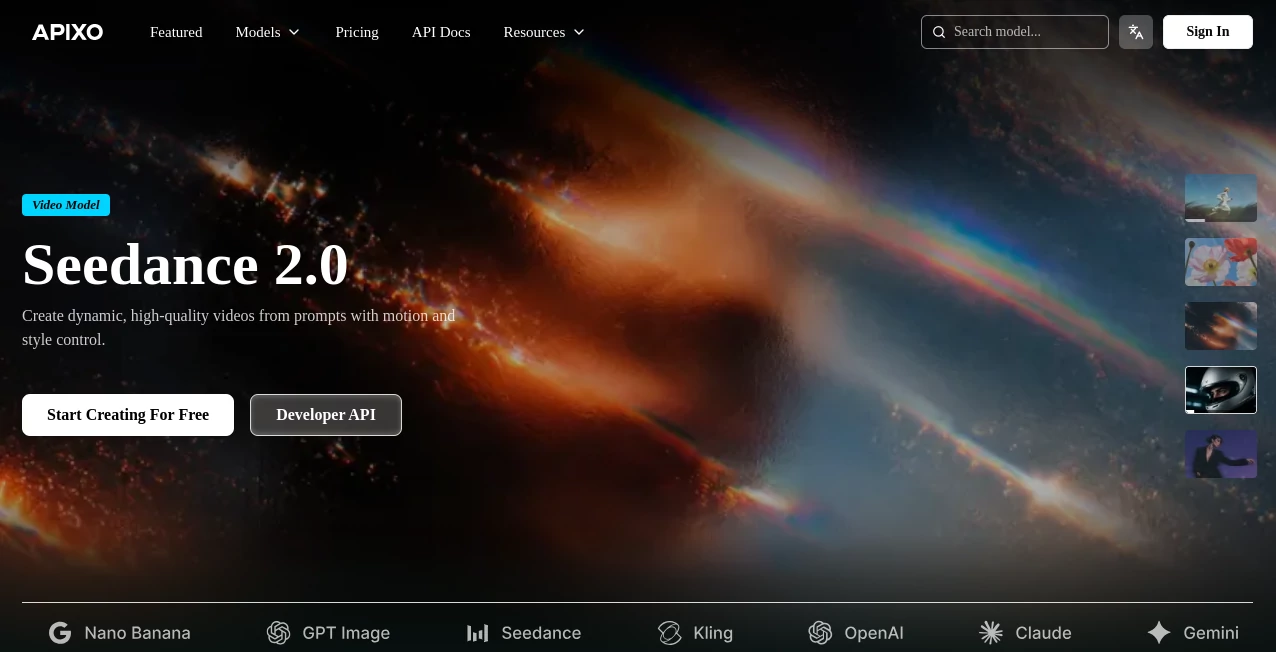
What is APIXO AI?
In today’s fast-moving digital world, developers and businesses need reliable tools that can connect systems, automate workflows, and power intelligent applications without unnecessary complexity. This platform is designed exactly for that purpose—offering a flexible API-first approach that helps teams build, integrate, and scale AI-driven solutions with ease.
Instead of dealing with fragmented services or overly complicated setups, users get a unified environment where APIs are structured, accessible, and ready to support real-world products. Whether you're building a startup MVP or enhancing an enterprise system, it provides a foundation that feels both powerful and approachable.
Key Features
User Interface
The platform offers a clean and developer-friendly interface that prioritizes simplicity. Navigation is intuitive, making it easy for both beginners and experienced engineers to find endpoints, manage keys, and monitor usage without confusion.
Accuracy & Performance
Performance is a core strength. Requests are processed quickly, and the system is optimized for stability even under heavy workloads. This makes it suitable for applications that demand consistent uptime and predictable response times.
Capabilities
It supports a wide range of API-based functionalities that can be embedded into web apps, mobile apps, and backend systems. From automation workflows to data processing and AI-powered tasks, the flexibility allows developers to adapt it to many different use cases.
Security & Privacy
Security is handled with a strong focus on safe data handling and controlled access. API keys, encrypted communication, and structured permissions help ensure that users maintain full control over their integrations and data flow.
Use Cases
- Building AI-powered SaaS platforms
- Automating backend workflows and business processes
- Integrating intelligent features into mobile applications
- Enhancing data processing pipelines with API-based logic
- Creating developer tools and internal dashboards
Pros and Cons
Pros
- Easy integration with existing systems
- Fast and stable API responses
- Suitable for both small and large-scale projects
- Developer-friendly structure
Cons
- May require technical knowledge for beginners
- Advanced features may take time to explore fully
Pricing Plans
The platform typically follows a flexible pricing structure based on usage. This allows developers to start small and scale as their needs grow. Free tiers or trial access may be available, making it easier to test before committing to larger plans.
How to Use This Tool
Getting started is straightforward. After creating an account, users can generate API keys from the dashboard. These keys are then used to authenticate requests and connect applications to the platform’s services.
Developers can explore available endpoints, test requests in a sandbox environment, and gradually integrate features into production systems. Documentation plays an important role, guiding users through setup and best practices.
Comparison with Similar Tools
Compared to traditional API providers, this solution focuses more on simplicity and adaptability. While some platforms may offer a wider range of niche services, this one prioritizes usability and integration speed, making it ideal for fast development cycles.
Conclusion
For developers and teams looking to streamline how they build and connect intelligent applications, this platform offers a balanced mix of performance, simplicity, and flexibility. It removes unnecessary friction from API development and helps teams focus more on building meaningful products rather than managing infrastructure complexity.
Frequently Asked Questions (FAQ)
What is this platform used for?
It is used for building and integrating API-based solutions into web, mobile, and backend applications.
Is it suitable for beginners?
Yes, but some basic technical understanding of APIs is helpful for getting started smoothly.
Can it be used for large-scale applications?
Yes, it is designed to handle scalable workloads and production-level usage.
Does it support AI-based functionality?
Yes, it is commonly used to integrate intelligent features into applications through API services.
AI App Builder , AI No-Code & Low-Code , Code & IT , AI Developer Tools .
These classifications represent its core capabilities and areas of application. For related tools, explore the linked categories above.

APIXO AI Alternatives Product

Agent Grid

DeepSeek V4

Layven

HostFinder

LocaFlow

BootstrapKing

Verne

UpMocker

PromptCoder
