
Exaforce
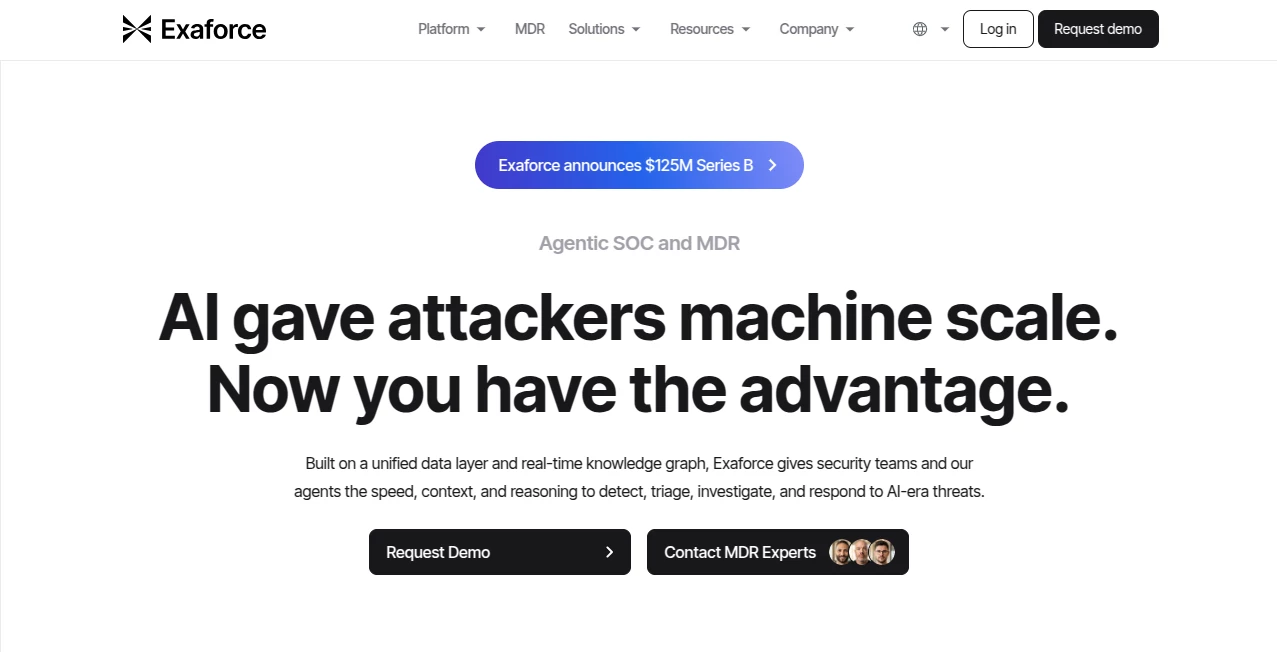
What is Exaforce?
In today’s fast-moving digital world, security teams are constantly overwhelmed by alerts, logs, and fragmented data spread across multiple systems. This platform is designed to simplify that complexity by bringing intelligence, automation, and visibility into one unified environment. Instead of manually digging through endless security signals, teams can focus on what truly matters: identifying real threats and responding faster.
What makes it stand out is its ability to combine cloud security, observability, and AI-driven analysis in a single workflow. It is built for modern enterprises that need speed, accuracy, and reduced operational noise without sacrificing control or compliance.
Key Features
User Interface
The interface is designed with clarity in mind, offering dashboards that simplify complex security data into readable insights. Users can navigate between alerts, system logs, and threat analytics without getting lost in technical clutter.
Accuracy & Performance
By leveraging advanced machine learning models, the platform reduces false positives and highlights meaningful security events. This improves decision-making speed and helps teams prioritize real threats over noise.
Capabilities
- Real-time threat detection across cloud and hybrid environments
- Automated correlation of security events and logs
- AI-assisted incident investigation workflows
- Unified observability across applications and infrastructure
- Scalable architecture suitable for enterprise-level deployments
Security & Privacy
Security is at the core of the system. It is built to meet enterprise compliance standards, ensuring data is processed securely with strict access controls and encryption mechanisms in place.
Use Cases
- Security Operations Centers (SOC) looking to reduce alert fatigue
- Cloud-native companies managing large-scale infrastructure
- Enterprises requiring unified visibility across systems
- DevOps teams monitoring application performance and threats
Pros and Cons
Pros
- Strong automation reduces manual security workload
- Improves incident response time significantly
- Unified view of logs, metrics, and security alerts
- Scalable for enterprise environments
Cons
- May require onboarding time for non-technical users
- Best value achieved in larger organizations rather than small teams
- Advanced features may need configuration expertise
Pricing Plans
Pricing is typically structured for enterprise needs and may vary based on deployment size, features required, and organizational scale. Most implementations follow a custom pricing model, where businesses can request a tailored plan based on their infrastructure and security requirements.
How to Use Exaforce
Getting started usually involves integrating the platform with existing cloud infrastructure, security tools, and data sources. Once connected, it begins collecting and analyzing logs and events automatically.
- Connect cloud accounts and data sources
- Configure security policies and alert preferences
- Review AI-generated insights and dashboards
- Investigate incidents using guided workflows
- Continuously refine detection rules and automation
Comparison with Similar Tools
Compared to traditional security monitoring solutions, this platform focuses more on intelligence and automation rather than manual analysis. While many tools require analysts to sift through raw logs, this system prioritizes correlation and context, reducing workload and improving response speed.
Unlike basic observability tools, it integrates security-first thinking directly into its analytics layer, making it more suitable for teams that need both performance monitoring and threat detection in one place.
Conclusion
For organizations dealing with complex cloud environments and growing security challenges, this platform offers a modern approach to visibility and protection. By combining AI-driven insights with automation, it helps teams stay ahead of threats while reducing operational pressure. It is particularly valuable for enterprises that want to streamline security operations without losing depth or control.
Frequently Asked Questions (FAQ)
Is this platform suitable for small businesses?
It is primarily designed for mid-size to large enterprises, but smaller teams with complex infrastructure can also benefit from its automation capabilities.
Does it replace existing security tools?
It does not necessarily replace existing tools but rather integrates with them to provide a unified layer of intelligence and visibility.
Is technical expertise required?
Some configuration knowledge is helpful, especially during initial setup, but the interface is designed to reduce complexity over time.
Can it be used in cloud environments?
Yes, it is built with cloud-native architecture in mind and supports hybrid and multi-cloud setups.
How does it improve security operations?
By reducing alert noise, automating analysis, and providing contextual insights, it allows security teams to respond faster and more accurately.
AI Log Management , AI Developer Tools , AI Monitor & Report Builder , AI DevOps Assistant .
These classifications represent its core capabilities and areas of application. For related tools, explore the linked categories above.

Exaforce Alternatives Product

Lovable APP

AI Workflow …

AI Agent Ski…

Gemini Omni

CloudByte PMS

Nestify

globalize.now

Empiriolabs …

tanship