
🧠 AI Quiz
Think you really understand Artificial Intelligence?
Test yourself and see how well you know the world of AI.
Answer AI-related questions, compete with other users, and prove that
you’re among the best when it comes to AI knowledge.
Reach the top of our leaderboard.


















CNTRCTRS

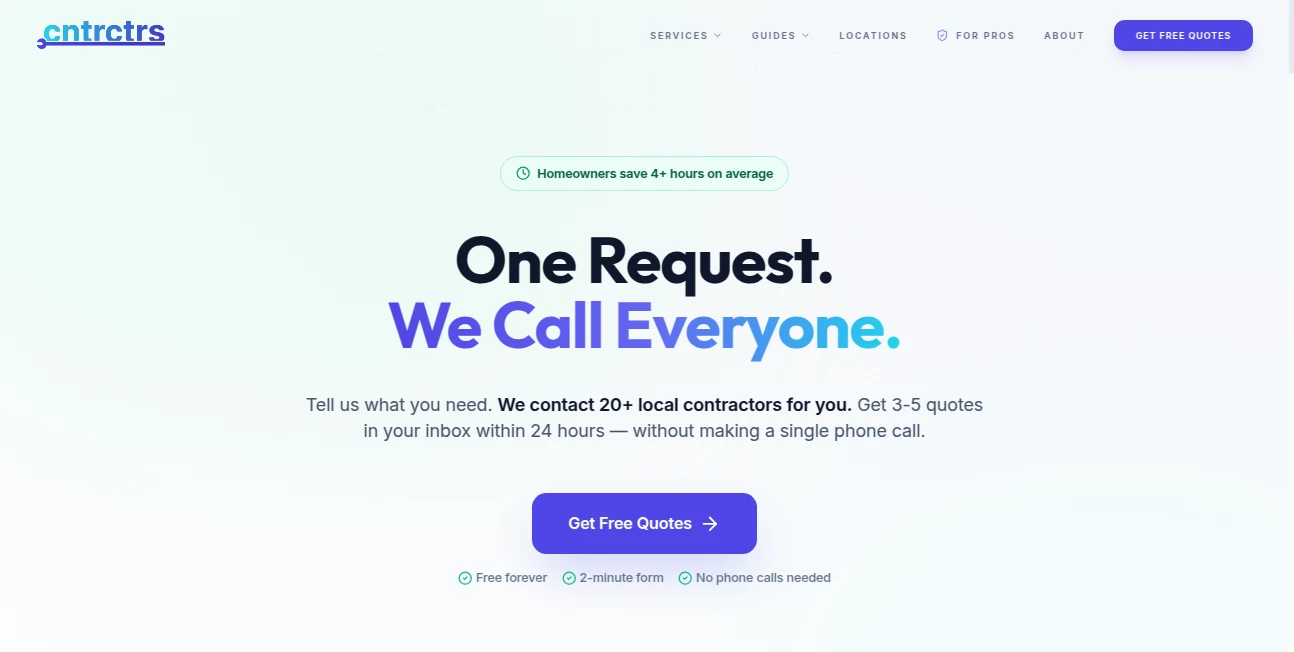
What is CNTRCTRS?
Nothing kills momentum faster than chasing a client for payment or arguing over scope creep halfway through a project. This platform quietly solves both problems at once. You pick a clean, lawyer-vetted template, tweak a few fields, send it off with an e-signature link, and suddenly the job has real boundaries and a clear payment schedule. I’ve talked to freelancers who used to lose weeks (and thousands) to vague verbal agreements—after switching to structured contracts like these, they say disputes dropped to almost zero and money started arriving on time. It’s not glamorous, but it’s the kind of boring reliability that lets you focus on the creative work instead of playing collections agent.
Introduction
Freelancing is already hard enough—finding clients, delivering quality, managing time. The last thing you need is legal loose ends turning good projects sour. This tool brings professional-grade contract protection into a simple, affordable flow that doesn’t require a law degree or expensive retainers. Templates are written in plain English (but still legally sound), cover the most common freelance scenarios, and include built-in milestones, revision limits, kill fees, and late-payment clauses. The result is peace of mind: you send a contract, the client signs digitally, and both sides know exactly what’s expected. For anyone tired of “we’ll figure it out later” turning into “you owe me more hours,” it’s a small but powerful shift that protects your time, money, and sanity.
Key Features
User Interface
The dashboard feels like it was designed by someone who actually freelances: clean, fast, no legal-jargon overload. Start by picking your service type (design, development, writing, consulting, etc.), answer a few quick questions about scope and payment terms, and watch the contract auto-fill in professional language. Drag-and-drop sections if you want to customize further, preview in real time, then send via email with built-in e-signature. Clients get a branded, mobile-friendly signing page. It’s intuitive enough that most first-timers finish their first contract in under ten minutes.
Accuracy & Performance
Templates are crafted and regularly reviewed by actual contract lawyers specializing in freelance work, so clauses hold up in real disputes. The system auto-calculates payment schedules, late fees, and revision rounds based on your inputs—no math errors or forgotten terms. E-signatures are legally binding (compliant with ESIGN Act and eIDAS), and signed contracts are timestamped and stored securely. Performance is snappy—generation is instant, signing flow is seamless across devices, and reminders fire automatically so nothing slips through the cracks.
Capabilities
Ready-to-use templates for most freelance services, customizable clauses (IP ownership, confidentiality, termination, etc.), milestone-based payments, built-in revision & kill-fee protection, automatic late-fee escalation, client portal for signed docs and invoice tracking, e-signature with audit trail, and downloadable PDF backups. Multi-party support for team contracts, recurring/retainer options, and international currency & tax clause handling. Everything stays under your control—no third-party escrow or forced payment processing.
Security & Privacy
Contracts are encrypted end-to-end, stored securely with access limited to you and the signed parties. No unnecessary data collection—only what’s required for the document itself. Signed agreements include tamper-evident blockchain-style hashing for extra verifiability. For freelancers handling sensitive client info or proprietary work, the privacy model feels appropriately serious without being over-engineered.
Use Cases
A freelance designer finally gets paid on time after adding clear milestone language and late fees—client pays early to avoid penalties. A developer avoids scope creep on a big project by locking deliverables and revision rounds upfront. A copywriter includes a kill fee clause and actually receives it when the client cancels mid-project. A consultant runs retainers smoothly with auto-renewal reminders and payment tracking. Across every scenario, the common outcome is fewer awkward money conversations and more time doing the actual work.
Pros and Cons
Pros:
- Legally sound templates written in plain English—clients actually read and understand them.
- Built-in protections (revisions, kill fees, late charges) that prevent common freelancer nightmares.
- Fast, beautiful e-sign flow that clients complete on mobile without friction.
- No forced payment gateway—you keep your existing invoicing and banking.
- Affordable pricing that pays for itself after one protected project.
Cons:
- Not a full legal service—complex or high-stakes contracts may still need a lawyer review.
- Template library covers most common cases but isn’t infinite (though custom requests are handled quickly).
- Advanced team/multi-party features live in higher tiers.
Pricing Plans
Free tier includes basic templates and limited monthly issuances—enough to protect a few small projects or test the system. Paid plans unlock unlimited contracts, premium templates, team sharing, custom branding, priority support, and advanced clauses. Pricing is straightforward and modest—many freelancers recoup the cost after one late payment avoided or one scope-creep dispute prevented. Annual billing saves even more.
How to Use Contractors
Sign up (free to start), choose your service category, answer a few questions about scope, timeline, and payment terms. The template auto-populates in clear language. Customize any clause if needed, preview the final document, then send the e-sign link to your client. They sign on any device; you get notified instantly. Track status, send reminders, and store signed copies forever. For repeat clients, save the template as a reusable preset. The entire flow usually takes less than 10 minutes once you’re familiar.
Comparison with Similar Tools
Generic contract generators often use stiff legal language or miss freelancer-specific protections (revisions, kill fees, late charges). This one is written with real freelance pain points in mind and feels more like a trusted advisor than a template mill. Where some platforms force you into their payment escrow (and take a cut), this stays hands-off—you keep your existing invoicing flow. It’s the rare tool that protects your interests without trying to own your money stream.
Conclusion
Freelancing is risky enough without weak agreements turning good clients into headaches. This platform gives you the same level of protection big agencies use, but at indie prices and with indie simplicity. When a client signs a clear, fair contract and pays on time because the terms are unambiguous, you realize how much mental energy gets freed up. It’s not sexy—but it’s smart, and in the long run, that matters far more than flashy features. For anyone serious about freelancing as a sustainable career, it’s one of the highest-ROI tools you can own.
Frequently Asked Questions (FAQ)
Are the templates actually legally binding?
Yes—written and reviewed by lawyers who specialize in freelance and small-business contracts. Compliant in most jurisdictions (US, EU, UK, etc.), though very large/high-stakes deals may still warrant extra review.
Do I have to use your payment system?
No—you keep your existing invoicing, Stripe, PayPal, bank transfers, whatever works for you.
Can I customize the templates?
Absolutely—add, remove, or rewrite clauses. Changes are tracked so you can revert if needed.
What if the client refuses to sign?
You can still work verbally, but many freelancers find that once a clean contract is on the table, serious clients sign without hesitation.
Is there a free way to try it?
Yes—free tier includes several issuances per month and basic templates. Enough to protect a small project and feel the difference.
AI Contract Management , AI Legal Assistant .
These classifications represent its core capabilities and areas of application. For related tools, explore the linked categories above.
CNTRCTRS details
This tool is no longer available on submitaitools.org; find alternatives on Alternative to CNTRCTRS.
Pricing
- Free
Apps
- Web Tools
Categories