🧠 AI Quiz
Think you really understand Artificial Intelligence?
Test yourself and see how well you know the world of AI.
Answer AI-related questions, compete with other users, and prove that
you’re among the best when it comes to AI knowledge.
Reach the top of our leaderboard.


















core level
What is core level?
Getting a strong, functional core shouldn’t feel like a never-ending battle of endless crunches and questionable YouTube routines. This platform changes that completely. You answer a few quick questions about your current level, goals, any injuries or limitations, and it builds you a personalized core-focused program that actually progresses week by week. I’ve watched people who hated “core day” start looking forward to it because the workouts feel smart, not punishing. The AI doesn’t just throw random exercises at you—it adapts based on how you’re feeling and progressing, which is honestly refreshing in a world full of one-size-fits-all plans.
Introduction
Core strength is one of those things almost everyone knows they need, but very few people train it effectively or consistently. Traditional programs either bore you to death or hurt you because they ignore your starting point. This tool takes a different approach: it uses AI to create truly individual plans centered around building a rock-solid core while protecting your back, improving posture, and boosting overall athleticism. It’s not about six-pack aesthetics (though that can happen); it’s about real functional strength you feel in daily life—lifting kids without wincing, running without low-back tightness, swinging a golf club with power instead of pain. Users keep coming back because the progress feels sustainable and the feedback loop is constant. It’s coaching that evolves with you, not against you.
Key Features
User Interface
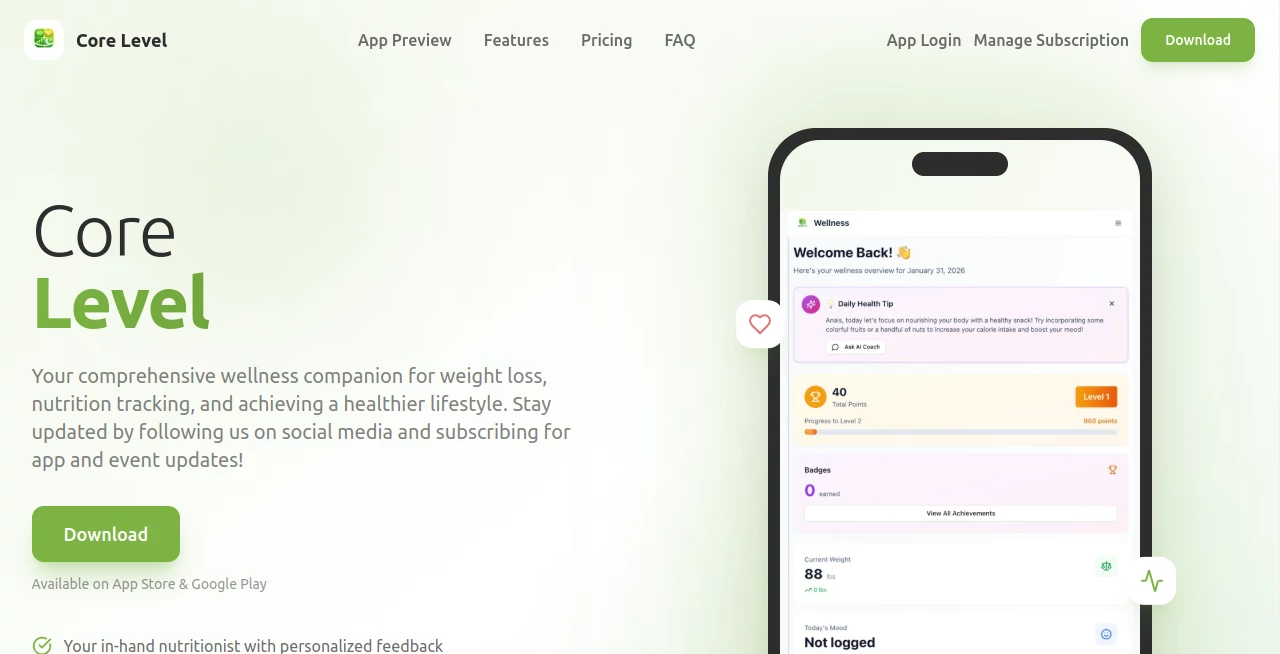
The app opens to a welcoming dashboard that shows today’s workout at a glance—no digging through menus. Each session has clear video demos, timers, rest cues, and a simple input where you log how the set felt (easy, just right, too hard). The progress tracker is visual and motivating: strength curves, consistency streaks, and little milestone badges that actually feel earned. It’s clean, intuitive, and designed so you spend time training, not figuring out the app.
Accuracy & Performance
The AI learns fast. Rate a workout as too easy, and next session the load or complexity goes up intelligently. Say something felt off in your lower back, and it swaps movements to safer alternatives while still targeting the same muscles. Users report noticeable strength gains in 4–6 weeks because the program doesn’t guess—it adjusts in real time based on your honest feedback. Performance tracking is precise without being overwhelming: you see weekly trends in core endurance, plank hold times, rotational power, and anti-extension strength.
Capabilities
Personalized weekly programs with 3–5 sessions, video-guided exercises (bodyweight, dumbbell, resistance band, or gym equipment), progressions that scale difficulty automatically, injury-aware modifications, posture & breathing cues, and optional mobility & recovery flows. It covers anti-extension, anti-rotation, anti-lateral flexion, hip stability, and dynamic core control. You can switch goals mid-program (e.g., from general strength to athletic performance or postpartum recovery) and it recalibrates seamlessly.
Security & Privacy
Your health data—progress logs, pain feedback, personal notes—stays encrypted and private. No selling data, no sharing with third parties. You control what (if anything) gets synced to your profile. For anyone cautious about fitness apps collecting sensitive info, the approach here feels thoughtful and respectful.
Use Cases
A desk worker with nagging low-back tightness starts the foundational program and, eight weeks later, can deadlift without pain for the first time in years. A runner adds rotational core strength and finally breaks through a plateau in race pace. A new mom returns to training safely with diastasis-aware progressions and regains confidence in her midsection. A weekend golfer builds anti-rotation power and adds yards to their drive without tweaking anything else. It works because it meets people exactly where they are—busy, maybe a little banged up, but ready to move better.
Pros and Cons
Pros:
- Truly personalized progression that listens to your feedback every session.
- Smart injury-aware modifications keep you training safely.
- Video demos are clear, well-paced, and show common mistakes to avoid.
- Focuses on functional core strength, not just aesthetics—results you feel.
- Affordable compared to hiring a personal trainer for similar guidance.
Cons:
- Requires consistent self-reporting for the AI to adapt best.
- No live human coach (though the AI does a remarkably good job).
- Equipment assumptions—bodyweight focus is great, but gym-goers may need to adapt some moves.
Pricing Plans
Free trial gives you a full week to feel the difference—no card needed. Monthly subscription is priced like one gym session but delivers a whole tailored program. Annual plan saves significantly and includes priority updates and new content drops. It’s structured so the longer you commit, the better the value—many users say it’s cheaper than physical therapy copays and far more proactive.
How to Use CoreLevel
Sign up, answer the onboarding quiz (goals, current fitness, any injuries, equipment access), and get your first week’s program instantly. Each day opens with a short warm-up, then 3–5 core-focused exercises with video demos and rep guidance. Rate each set afterward (too easy / perfect / too hard) so the AI adjusts next time. Log how you feel overall, note any tweaks, and watch your strength curve climb week after week. It’s designed to fit into busy schedules—most sessions take 15–30 minutes.
Comparison with Similar Tools
Generic fitness apps throw cookie-cutter workouts at you; personal trainers cost hundreds a month. This sits in the sweet spot: personalized like coaching, affordable like an app, and smarter than most AI fitness tools because it focuses narrowly on core mastery instead of trying to be everything to everyone. The feedback loop is tighter, the progressions more thoughtful, and the injury consideration more serious than almost anything else in the category.
Conclusion
A strong core isn’t just about looking good—it’s about moving better, hurting less, and feeling capable in your body every day. This platform makes building that strength feel approachable, intelligent, and even enjoyable. It respects where you’re starting, protects where you’re vulnerable, and pushes you forward without breaking you. For anyone tired of random workouts that don’t deliver, this is the kind of tool that quietly changes how you train—and how you feel—for the better.
Frequently Asked Questions (FAQ)
How long until I feel results?
Most people notice better posture and less low-back fatigue in 2–4 weeks; real strength gains typically show by week 6–8 with consistent training.
Do I need equipment?
No—plenty of bodyweight-only paths. Optional dumbbells, bands, or a pull-up bar unlock more progressions.
Can it work around injuries?
Yes—tell it about your limitations during onboarding and it will avoid aggravating movements while still building strength safely.
Is it suitable for beginners?
Absolutely—starts very gentle and scales naturally as you get stronger.
What if I miss days?
The program adapts—miss a few and it recalibrates so you don’t feel punished when you return.
AI Life Assistant , AI Fitness , AI Coaching .
These classifications represent its core capabilities and areas of application. For related tools, explore the linked categories above.
core level details
Pricing
- Free
Apps
- Web Tools
Categories

core level Alternatives Product

Dialogues wi…

Judgement Ta…

Romantic AI

Visual Field…

Dating photos

What The Food
Rizzwords

Snow day Cal…

AI Dream Ana…