
Lunary
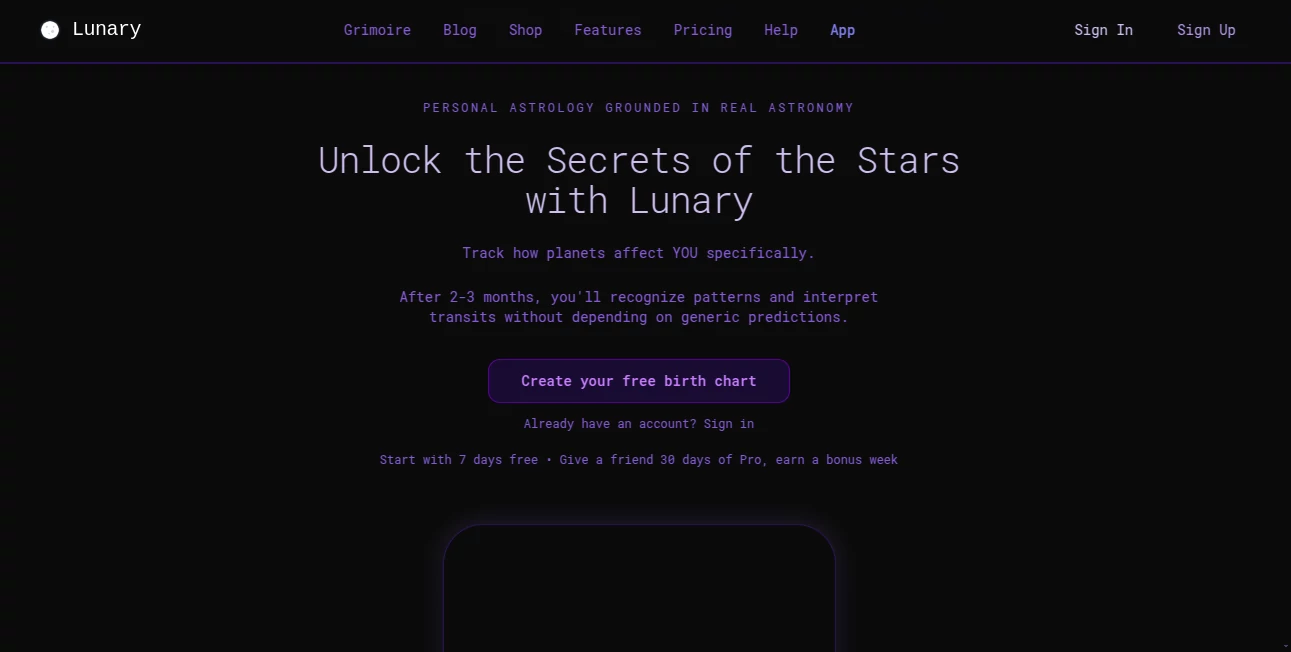
What is Lunary?
Building reliable AI applications is no longer just about generating responses—it is about understanding how those responses are produced, how they behave in production, and how they can be improved over time. This platform was designed exactly for that gap.
It gives developers and teams deep visibility into LLM-powered systems, helping them track prompts, monitor outputs, and evaluate performance in real-world usage. Instead of guessing what is happening behind the scenes, you get structured insights that make AI systems easier to debug, optimize, and scale with confidence.
Key Features
User Interface
The interface is clean, developer-focused, and designed to reduce friction. Everything from prompt logs to evaluation dashboards is organized in a way that makes it easy to navigate complex AI workflows without feeling overwhelmed.
Accuracy & Performance
It captures detailed traces of LLM interactions, allowing teams to analyze response quality, latency, and consistency. This makes it easier to detect regressions or unexpected behavior in production environments.
Capabilities
- Prompt tracking and versioning
- Real-time LLM request monitoring
- Evaluation pipelines for response quality
- Debugging tools for AI workflows
- Analytics for usage and performance trends
Security & Privacy
Security is treated as a core requirement rather than an afterthought. Sensitive data handling, controlled logging, and structured access controls ensure that teams can safely monitor AI systems without exposing critical information.
Use Cases
- Monitoring production AI chatbots and assistants
- Debugging unexpected LLM outputs in real time
- Evaluating prompt engineering experiments
- Tracking performance of AI-powered SaaS features
- Improving response quality through structured feedback loops
Pros and Cons
Pros
- Strong observability for LLM-based applications
- Helpful evaluation and debugging tools
- Developer-friendly interface
- Scales well with production workloads
Cons
- May feel technical for non-developers
- Requires integration effort for full value
Pricing Plans
The platform typically follows a flexible pricing model that includes a free starting tier for experimentation and development, along with paid plans designed for scaling teams and production environments. Pricing is structured to support both indie developers and enterprise-grade usage.
How to Use This Tool
Getting started is straightforward. After creating an account, developers integrate the SDK or API into their AI application. Once connected, every prompt, response, and interaction begins flowing into a centralized dashboard.
From there, users can explore traces, set up evaluations, and monitor performance metrics. Over time, this data becomes invaluable for refining prompts, improving reliability, and ensuring consistent output quality across different user scenarios.
Comparison with Similar Tools
Compared to other observability solutions in the AI space, this platform stands out for its balance between simplicity and depth. While some tools focus heavily on raw logging and others on high-level analytics, this one bridges both worlds.
It provides enough detail for engineers who need deep debugging capabilities, while still offering clean dashboards that product teams can understand without technical overload.
Conclusion
As AI systems become more embedded in real products, visibility and control over LLM behavior become essential. This platform addresses that need with a focused set of tools designed for monitoring, evaluation, and optimization.
For teams building serious AI applications, it offers a practical way to move from experimentation to production with confidence and clarity.
Frequently Asked Questions (FAQ)
-
What is this platform used for?
It is used to monitor, evaluate, and debug AI applications powered by large language models.
-
Is it suitable for production systems?
Yes, it is designed specifically to support production-level AI workloads and scaling teams.
-
Do I need advanced technical knowledge?
Basic integration requires development knowledge, but the dashboard itself is easy to understand.
-
Can it improve AI response quality?
Yes, by analyzing prompts and outputs, teams can continuously refine performance over time.
AI Developer Tools , Large Language Models (LLMs) , AI Monitor & Report Builder , AI DevOps Assistant .
These classifications represent its core capabilities and areas of application. For related tools, explore the linked categories above.

Lunary Alternatives Product

AllInOneTools

OhNoCode
Schema Synth

FurWall

Project Mela

ClawBridge
Latency Atlas

Luma AI

AgentOne